Garga Chatterjee Arrest: Bengal’s Toxic Identity Politics Faces a Harsh Reckoning


By News24Media Editorial Desk
Kolkata | May 13, 2026
The arrest of Garga Chatterjee, founder of the Bengali identity organisation Bangla Pokkho, has opened a larger debate in West Bengal: where does linguistic pride end and divisive identity politics begin?
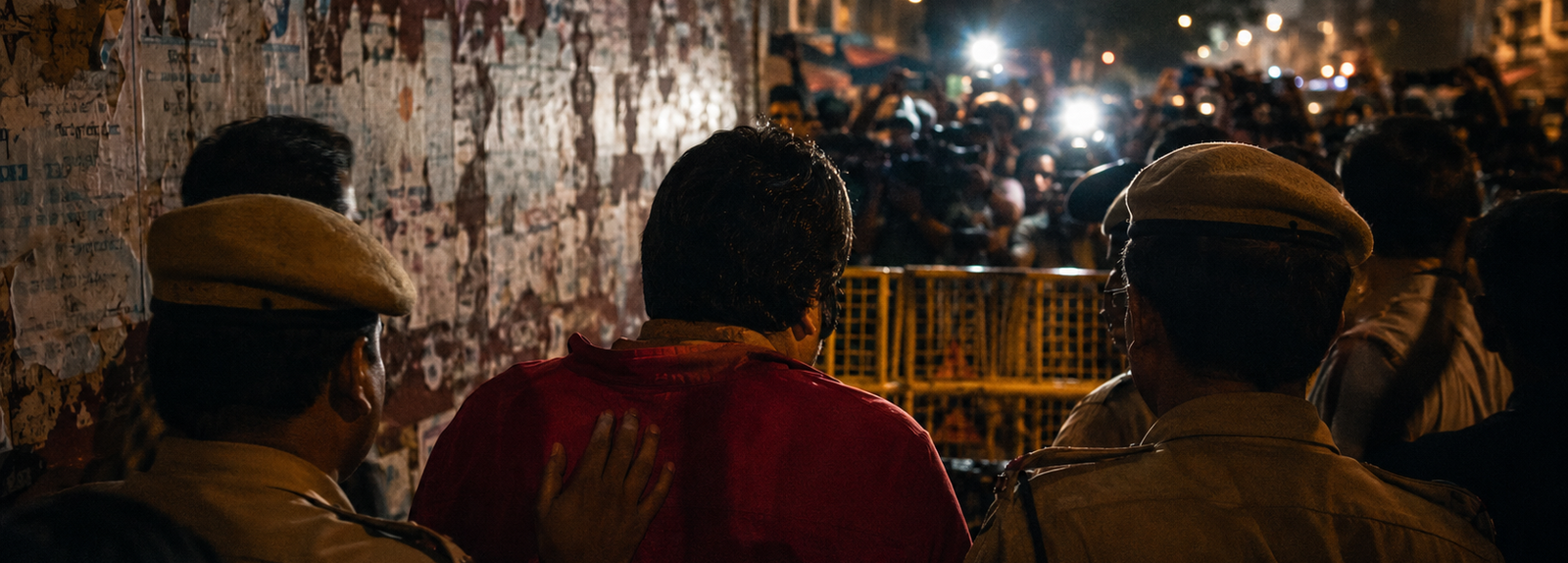
Kolkata Police arrested Chatterjee on Tuesday, May 12, 2026, after a complaint linked to alleged misinformation about Electronic Voting Machines during the West Bengal Assembly election period. According to police officials quoted in multiple reports, Chatterjee had allegedly made provocative social media posts questioning EVM functioning and suggesting irregularities in the counting process. Police said he had been summoned twice but did not appear before investigators, after which the cybercrime division arrested him.
The immediate legal issue is narrow: whether Chatterjee’s social media posts amounted to misinformation, provocation, or public disorder during a sensitive electoral process. But the political and social meaning of the arrest is much wider. For years, Bangla Pokkho has projected itself as a defender of Bengali language, employment rights, and regional pride. Critics, however, have accused the organisation of promoting an aggressive brand of linguistic nationalism that often targets Hindi-speaking citizens and deepens the Bengali–non-Bengali divide in the state.
The Arrest and the EVM Controversy
The reputed media reported that Kolkata Police acted on a complaint by the District Election Officer of Kolkata North. Police Commissioner Ajay Kumar Nand said Chatterjee had been summoned twice but did not appear, making arrest necessary. The allegations relate to posts that reportedly questioned EVM malfunctioning and accused the Election Commission of carrying out a “secret plan” on counting day.
The Times of India reported that police described the posts as capable of causing “panic, public unrest and disturbance of law and order.” It also quoted police as saying that Chatterjee was not carrying any firearm or ammunition, though a security personnel accompanying him was reportedly found with cartridges and was later released.
Who Is Garga Chatterjee?
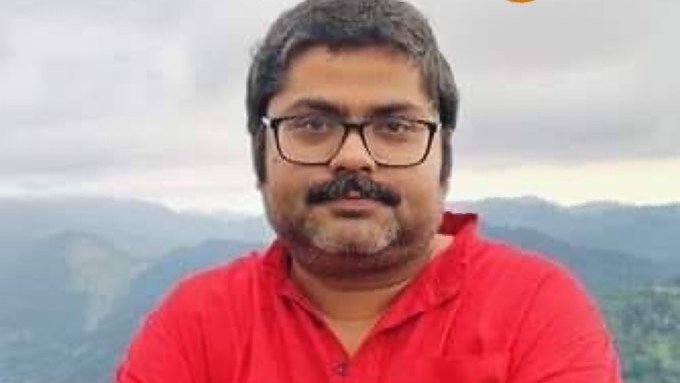
Garga Chatterjee is known as the founder and public face of Bangla Pokkho, an organisation that describes itself as a platform for protecting Bengali language, culture, and employment rights. The credible source describes Bangla Pokkho as a Bengali identity-based organisation founded in 2017, advocating protection of Bengali language, culture, and opportunities for local youth in West Bengal.
On paper, linguistic rights are a legitimate democratic concern. Every Indian language deserves respect, and Bengali has a glorious literary, cultural, and intellectual history. The problem begins when cultural pride turns into hostility toward other Indian communities. Bengal’s greatness has never come from exclusion. It has come from synthesis — Bengali, Hindi-speaking, Marwari, Bihari, Odia, Punjabi, Muslim, Hindu, Christian, tribal, migrant, and local communities living and working together.
That is why the Bangla Pokkho phenomenon deserves scrutiny. The movement has often presented itself as a corrective against “Hindi imposition,” but critics argue that some of its campaigns have crossed into intimidation and public shaming.
The Anti-Hindi Question
A 2024 BoomLive investigation reported that Bangla Pokkho activists had visited the homes or localities of Hindi-speaking individuals over allegedly anti-Bengali social media posts, recorded confrontations, and uploaded videos online. The report stated that Bangla Pokkho describes “Hindi imperialism” as its declared enemy, but noted that its activism targeting Hindi-speaking individuals has divided Bengalis themselves.
The same report quoted Bangla Pokkho functionaries as saying they oppose violence and seek police action against anti-Bengali abuse. But the larger concern remains: when private activists begin identifying individuals, visiting their homes, filming confrontations, and mobilising public anger, the line between activism and vigilantism becomes dangerously thin.
Bengal cannot defend Bengali dignity by humiliating Hindi-speaking citizens. Abuse against Bengalis must be condemned. Abuse against Hindi-speaking people must also be condemned. Selective outrage is not justice; it is identity politics.
The TMC Question
The arrest has also triggered political debate because some critics see Bangla Pokkho as ideologically useful to the Trinamool Congress ecosystem, particularly in its resistance to the BJP’s Hindi-belt political expansion. The political analysts described Garga Chatterjee as “reportedly close to the Trinamool Congress camp,” while Times of India reported that Trinamool MP Sagarika Ghose publicly questioned the arrest and asked whether it had become a crime to take up the cause of Bengalis.
What can be said is this: Bengal’s political environment over the past decade created space for multiple forms of identity mobilisation — religious, linguistic, regional, and electoral. The fall of a long-dominant political regime often brings hidden networks, informal influencers, and polarising narratives under new scrutiny. Garga Chatterjee’s arrest may therefore become a test case for how the new political order handles speech, misinformation, law enforcement, and identity politics.
Past Controversies
This is not Garga Chatterjee’s first brush with legal controversy. The credible sources reported that he had earlier been arrested in 2022 for allegedly hurting Assamese sentiments and creating enmity between communities after remarks about Swargadeo Sukapha, founder of Assam’s Ahom dynasty. Multiple FIRs were reportedly filed in Assam, and he was later released on transit bail with conditions.
This history matters because it shows that the current controversy is not an isolated social media episode. It fits into a broader pattern in which identity, history, ethnicity, language, and political mobilisation repeatedly collide.
Bengal Needs Harmony, Not Hate
The real issue is bigger than one activist. Bengal is standing at a sensitive moment. The state has seen fierce political polarisation, migration debates, religious anxieties, linguistic insecurity, and economic frustration. In such an atmosphere, leaders and influencers have a moral responsibility to lower the temperature, not inflame it.
Bengali identity is not weak. It does not need hatred to survive. Rabindranath Tagore, Netaji Subhas Chandra Bose, Swami Vivekananda, Kazi Nazrul Islam, Bankim Chandra Chattopadhyay, Ishwar Chandra Vidyasagar — none of them built Bengal’s moral stature by teaching contempt for another Indian language community.
The Constitution of India protects regional languages. It also protects the dignity and movement of every Indian citizen. A Hindi-speaking worker in Kolkata, a Bengali student in Delhi, a Tamil engineer in Bengaluru, or a Marathi entrepreneur in Guwahati — all belong equally to India.
The Road Ahead
Garga Chatterjee is entitled to due process. Allegations must be tested in court, not by mobs or social media trials. If he spread misinformation during elections, the law must proceed firmly. If the charges are exaggerated, the court must protect his rights. But beyond the legal case, Bengal must ask a deeper question: should public life reward those who turn cultural pride into resentment?
The answer should be no.
Bengal needs strong protection for Bengali language, fair employment opportunities for locals, and respect for its cultural inheritance. But it also needs social harmony, constitutional nationalism, and protection for every citizen living within the state.
The arrest of Garga Chatterjee is not merely a police story. It is a warning about the danger of identity politics when it becomes a weapon. Bengal’s future cannot be built on fear of the “outsider.” It must be built on justice, dignity, law, and coexistence.
Recent Posts
- JPMorgan Sexual-Assault Suit Shocks Wall Street: Explosive Case Puts Banking Culture Under Fire
- Indo Bangladesh Border Crisis: From Liberation to Infiltration — The 50-Year Geopolitical Fault Line
- Students Are Studying More but Learning Less: The Silent Crisis Inside Indian Schools
Discover more from
Subscribe to get the latest posts sent to your email.