

Cloud Evolution Research 2026: How AI, Edge Computing and Sovereign Data Are Redefining Global Digital Power


Introduction: Cloud Is No Longer Just Infrastructure
Cloud computing is no longer about storage and scalability. According to recent cloud evolution research conducted by major industry analysts and academic institutions, the cloud has entered a new strategic phase — one defined by artificial intelligence acceleration, edge computing expansion, sovereign data controls, and geopolitical competition.
What began as a cost-saving IT solution has evolved into the backbone of global digital power.
In 2026, the evolution of cloud technology is shaping national security policies, energy strategies, enterprise competitiveness, and AI dominance.
SpaceX-xAI Merger: Inside Musk’s $1.25 Trillion “Orbital AI” Gamble
What Cloud Evolution Research Shows in 2026
Recent research across global technology ecosystems indicates five major transformation pillars.
1️⃣ AI-Native Cloud Infrastructure
Cloud providers are no longer just hosting applications. They are building AI-first architectures.
Major hyperscalers like Amazon Web Services, Microsoft Azure and Google Cloud are investing billions in:
- GPU-based AI clusters
- AI training-as-a-service
- Model hosting ecosystems
- Generative AI cloud integration
Cloud evolution research suggests that AI workload demand is now the primary driver of global data centre expansion.
The cloud is no longer compute-first. It is AI-first.
2️⃣ The Rise of Edge Computing
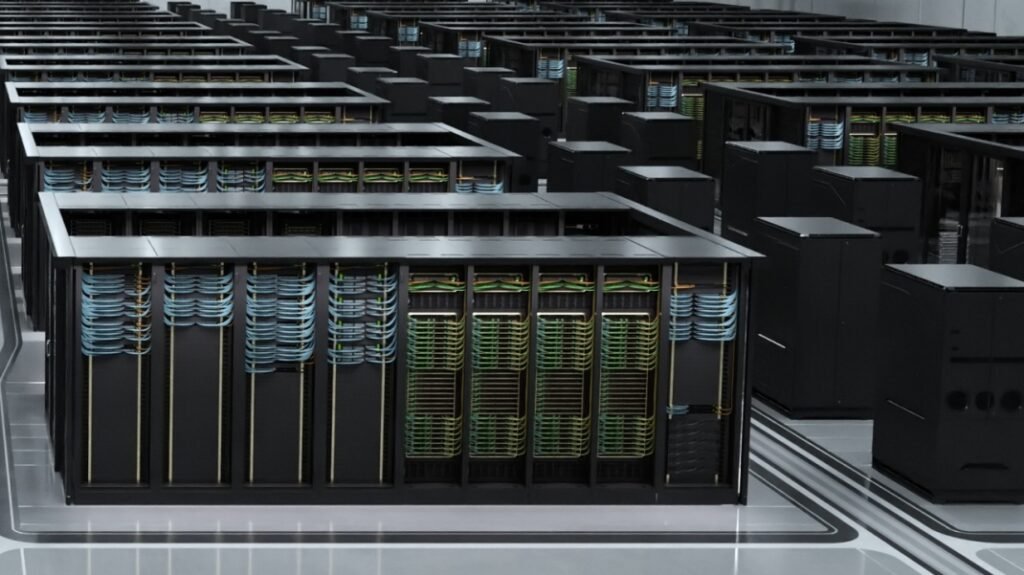
Cloud evolution research shows a rapid shift from centralised hyperscale models toward distributed edge infrastructure.
Why?
- IoT expansion
- 5G and 6G deployment
- Real-time AI inference needs
- Autonomous systems
Edge computing reduces latency and enables near-device intelligence. This marks the second stage of cloud evolution — from centralised to hybrid-distributed ecosystems.
Google Apple AI Partnership: Gemini Powers Siri, Shaking Global AI Order
3️⃣ Sovereign Cloud and Data Nationalism
The third major shift identified in cloud evolution research is sovereign cloud strategy.
Governments across:
- European Union
- India
- Middle East
- Southeast Asia
are increasingly demanding:
- Data localization
- Domestic cloud hosting
- Strategic digital autonomy
The concept of sovereign cloud is now tied to national security. The European digital sovereignty debate, India’s push for domestic data infrastructure, and regulatory frameworks like GDPR have reshaped how global cloud providers operate.
Cloud infrastructure is no longer politically neutral.
4️⃣ Energy and Sustainability Pressure
Modern AI data centres consume enormous power.
Cloud evolution research highlights:
- Rising electricity demand
- Water usage concerns
- Carbon footprint scrutiny
- Green energy integration
AI-driven cloud expansion is creating a parallel energy infrastructure race.
Cloud providers are now investing in:
- Renewable energy partnerships
- Nuclear-powered data research
- Energy-efficient chip architectures
The future of cloud evolution depends on sustainable compute.
The Geopolitical Dimension: The New Digital Power Architecture
Cloud evolution is increasingly linked to geopolitical competition.
The United States leads in hyperscaler dominance. China is building state-aligned cloud ecosystems. Europe is pushing sovereign alternatives.
Control over cloud infrastructure increasingly means:
- Control over AI development
- Control over data flows
- Control over cyber resilience
- Control over digital trade
Cloud evolution research suggests that the next global power shift will not be defined solely by military strength, but by AI-enabled cloud infrastructure dominance.
Enterprise Impact: From Cost Centre to Strategic Core
Enterprises are shifting mindset:
Old Model:
Cloud = Cost reduction
New Model:
Cloud = AI enablement + data monetization + resilience
Research shows enterprises are prioritising:
- Multi-cloud strategy
- Hybrid cloud adoption
- AI-ready infrastructure
- Zero-trust security architecture
Vendor lock-in is now a strategic risk.
Key Risks Identified in Cloud Evolution Research
- Cybersecurity vulnerabilities
- Data sovereignty conflicts
- AI model misuse
- Rising operational energy costs
- Regulatory fragmentation
Without governance reform, the cloud evolution phase may create digital inequality between nations.
The Road Ahead: 2027–2030 Outlook
Cloud evolution research forecasts:
- Quantum-cloud experimentation
- AI edge fusion systems
- Satellite-based cloud nodes
- Government-backed sovereign hyperscalers
- Energy-integrated smart data centres
The cloud is evolving from an IT solution into the architecture of the digital state.
Conclusion: Cloud Evolution Is a Strategic Power Shift
Cloud evolution research in 2026 makes one thing clear:
This is no longer a technical transformation. It is a structural shift in global power architecture.
AI infrastructure, sovereign data policy, and distributed edge systems are redefining how nations compete and how enterprises survive.
The cloud has evolved.
Now the question is — who controls its future?
Discover more from
Subscribe to get the latest posts sent to your email.









2 COMMENTS