
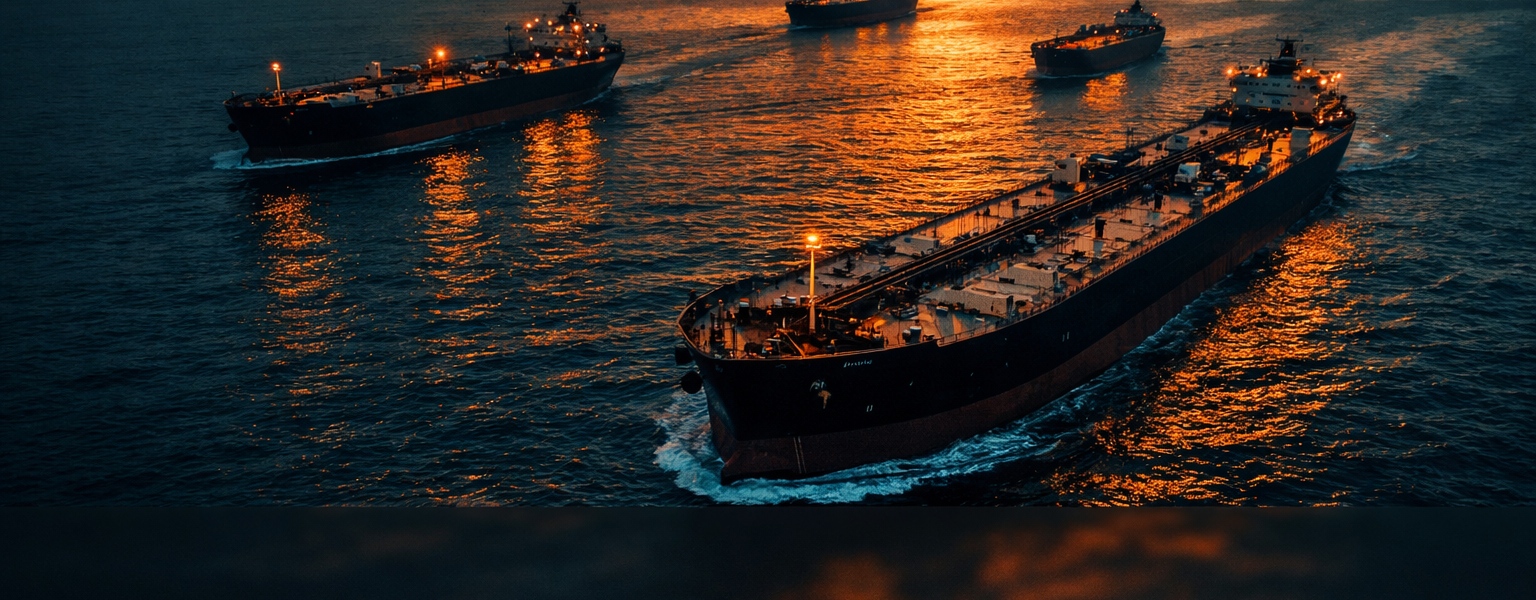
Strait of Hormuz Reopens: Oil Prices, Markets & What’s Next (2026)


Strait of Hormuz Reopens: What the April 2026 Ceasefire Means for Global Oil Prices and Energy Markets
On April 17, 2026, oil markets staged one of their most dramatic single-day collapses in recent memory — not because of a supply glut or an economic crash, but because of a diplomatic announcement. Iran’s Foreign Minister declared the Strait of Hormuz “completely open” to commercial vessels, ending a six-week blockade that had pushed Brent crude above $120 per barrel, triggered global supply emergencies, and rattled financial markets from New York to New Delhi.
The world exhaled. But the deeper question — whether that relief is permanent or merely borrowed — remains unanswered.
How We Got Here: Six Weeks That Shook the Energy World
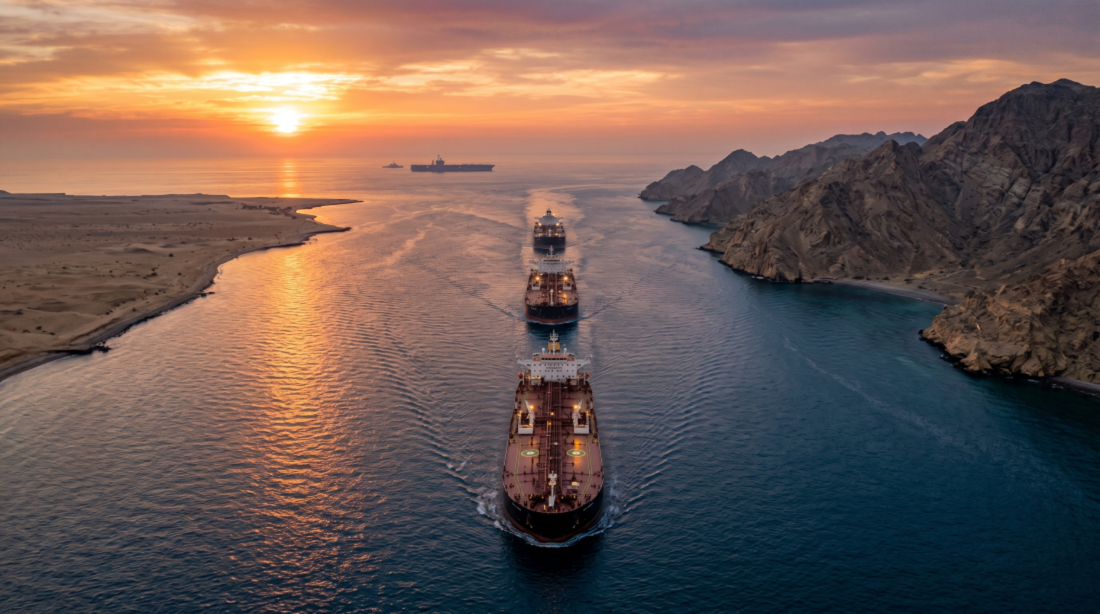
The crisis began on February 28, 2026, when the United States and Israel launched coordinated airstrikes on Iran under Operation Epic Fury. Iran’s retaliation was swift and far-reaching — missile barrages struck Israeli cities, US bases in the Gulf, and critically, civilian and port infrastructure in the UAE including Jebel Ali, one of the world’s twelve busiest ports. By March 4, Iran’s Revolutionary Guard had formally closed the Strait of Hormuz to commercial shipping, triggering what analysts have since called the largest oil supply disruption in recorded history.
The numbers tell the story starkly. Gulf state production collapsed by over 10 million barrels per day within two weeks. Brent crude surged past $120 per barrel. QatarEnergy declared force majeure on all LNG exports. India lost approximately 3 million barrels per day of Strait of Hormuz-transiting crude, exposing dangerously thin national reserves of only around 30 days — compared to China’s buffer of approximately 300 days. Over 220,000 Indian nationals were repatriated from Gulf states. The Philippines declared a national fuel emergency. The IMF cut its 2026 global growth forecast to 3.1%, with headline inflation projected at 4.4% for the year.
April 17: The Day Markets Moved
The reopening announcement triggered an immediate and historic market response. WTI crude plunged 11.4% — its second-largest single-day fall since the war began. Brent dropped over 10% to $89.13. On Wall Street, the S&P 500 crossed 7,100 for the first time in history, erasing all war-related losses. The Dow Jones gained over 1,000 points. The Nasdaq recorded its 13th consecutive day of gains. In Europe, France’s CAC 40 gained 2% and Germany’s DAX rose 2.2%. The 10-year US Treasury yield fell from 4.32% to 4.24% as inflation fears eased. Aviation fuel futures dropped 10% in a single session.
“The strait should be reopened immediately with no tolls and no restrictions.” — UK Prime Minister Keir Starmer, April 17, 2026
Yet even as markets celebrated, analysts urged caution. The residual geopolitical risk premium embedded in oil prices — with WTI still $13–14 above its pre-war baseline — signals that traders are not yet fully convinced. Maersk, one of the world’s largest shipping companies, stated it had not yet changed its recommendation to avoid transiting the Strait. The US Navy continues active mine-clearance operations in the waterway. And the broader US-Iran diplomatic resolution — on which the ceasefire’s durability depends — remains far from finalised.
India, China, and the Asian Energy Crisis
No region felt the Strait of Hormuz shock more acutely than Asia. India, which imports over 85% of its crude requirements, was exposed on two fronts simultaneously: Hormuz transits collapsed, and a temporary US waiver on Russian oil purchases expired in the same week. With reserves covering barely a month of consumption, New Delhi was forced into emergency diplomatic manoeuvring. India’s private sector activity in March slowed to its lowest level since October 2022, according to HSBC’s flash PMI data.
China, though better buffered by its approximately 300-day strategic reserve, navigated the crisis through continued Iranian oil purchases via state tankers operating under safe-passage agreements. Approximately 40% of China’s oil imports transit Strait of Hormuz, making its medium-term exposure substantial. The reopening offers both nations critical breathing room — but the lesson of India’s 30-day reserve buffer will drive long-term policy reform.
Dubai: Tested, Resilient, But Reputation-Scarred
Dubai’s position as the world’s logistics and financial hub placed it squarely in the crosshairs of this crisis. Iranian missiles struck Jebel Ali port infrastructure and UAE territory directly. Expatriate departures accelerated. Tourism collapsed. The GCC’s food import system — over 70% dependent on Strait of Hormuz-transiting goods — created domestic consumer price spikes of 40–120% across Gulf retail markets. Dubai’s recovery is underway, but rebuilding investor and tourist confidence will take considerably longer than restoring port operations.
Relief Is Not Reassurance
The 2026 Strait of Hormuz crisis has demonstrated — at enormous human and economic cost — what energy analysts have theorised for decades: that a 33-kilometre waterway can destabilise the entire global economy within days. The residual oil price premium, the cautious shipping posture, the uncleared mines, and the fragile diplomatic process all point to the same conclusion. The Strait of Hormuz is open. But it remains, structurally and geopolitically, the world’s most dangerous chokepoint — and the next crisis, if it comes, will be better understood and harder to resolve.
Markets are pricing in hope. Policy must price in history.
Discover more from
Subscribe to get the latest posts sent to your email.









2 COMMENTS