CBSE Class 12 Revaluation 2026: Urgent Guide on Copy Checking, Scanned Sheets and Grace Marks


CBSE Class 12 Revaluation 2026: What Students Must Know About Copy Checking, Scanned Sheets and Grace Marks
The CBSE Class 12 revaluation process in 2026 has become more than a routine post-result facility. For many students and parents, it has become a test of trust, clarity and transparency in the examination system.
After the introduction of On-Screen Marking, or OSM, students are not only asking whether their marks can change. They are asking deeper questions: Was my answer sheet scanned properly? Were all pages visible? Were supplementary sheets included? Were extra attempted questions counted correctly? If there was a problem, what is the official remedy? And will CBSE give grace marks?
These questions deserve careful and responsible answers.
Revaluation Is Not the Same as General Grace Marks
The first important point is that revaluation is a formal, question-specific correction process. It does not automatically mean that all students will receive additional marks.
Students who are dissatisfied with the evaluation can apply for re-evaluation of specific answers, provided they have followed the required post-result steps. CBSE’s 2026 process also included a separate facility to report issues observed in the supplied scanned copies of evaluated answer books.
This distinction is important. If a student believes a particular answer has been under-evaluated, reevaluation may be the appropriate course. If a scanned copy has missing pages, blurred pages or other technical problems, that must be raised as a scanned-copy issue. But automatic grace marks for all students is a different matter altogether.
As of available official information, there is no confirmed general CBSE announcement of automatic grace marks for all Class 12 students because of the OSM controversy. Students should therefore avoid relying on rumours and should follow official processes.
What Students Can Check in Scanned Answer Sheets
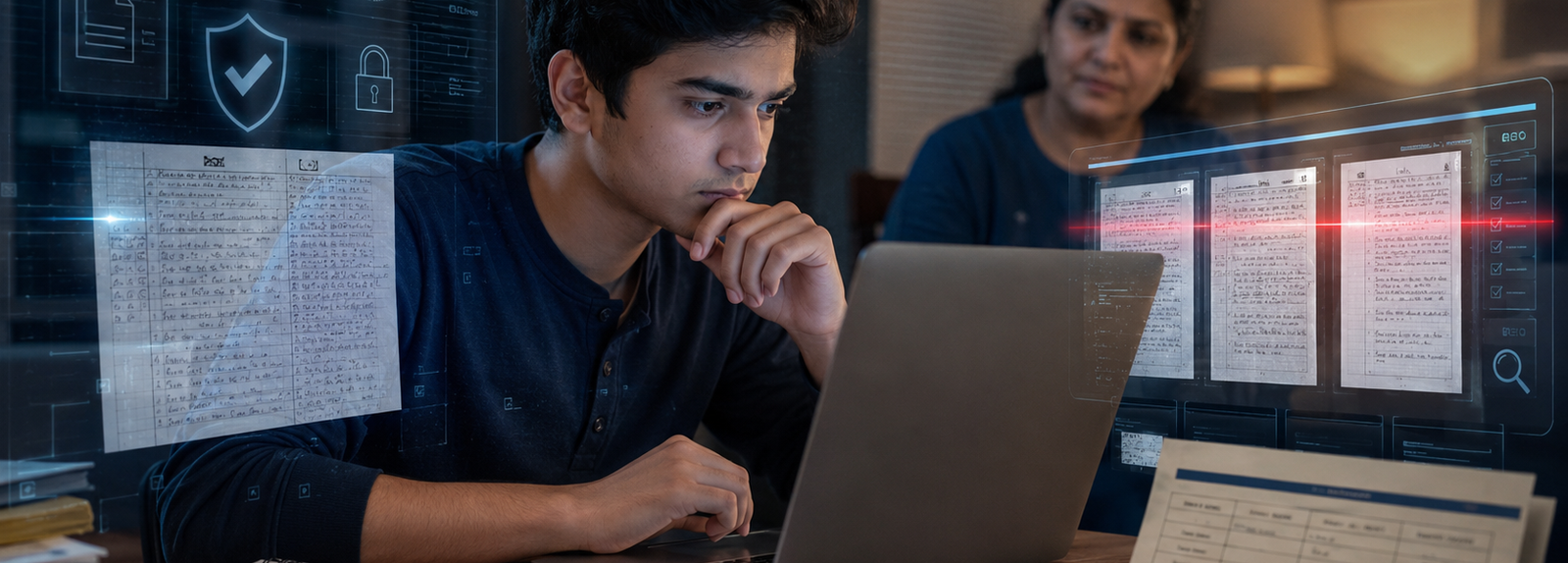
The scanned copy of an evaluated answer book is not just a document for curiosity. It is an important academic record.
Students should carefully check whether:
- all pages are visible;
- Any page is missing.
- Supplementary sheets are attached.
- maps, graphs or diagrams are present;
- The scanned pages are readable.
- The answer book belongs to the correct student.
- The correct question paper set has been considered.
- marks appear to have been awarded for all attempted answers;
- Extra questions have been handled properly.
- Totalling appears consistent.
If any of these areas look doubtful, students should not panic. They should document the issue with screenshots, page numbers and clear notes before applying through the official CBSE process.
Why Extra Questions and Totalling Matter
Many students attempt extra questions in board examinations, either as backup or because they are unsure which answer will score better. This often creates confusion during result checking.
The key concern is whether the correct answers were considered and whether totalling was done according to board rules. In an OSM environment, students may feel more anxious because they cannot physically see how the examiner navigated the answer script.
This is why CBSE’s clarification on the totalling of marks when extra questions are attempted is important for students and schools. Students who attempted extra questions should carefully review the scanned copy and identify whether there is any genuine discrepancy before applying for re-evaluation.
Portal Glitches and Student Anxiety
A revaluation portal is not just a technical platform. For students, it is the gateway to academic correction.
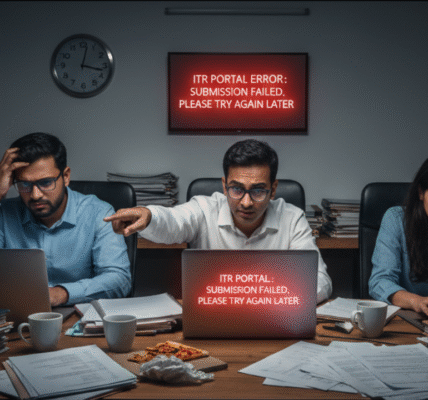
When students report difficulty in accessing scanned copies, uploading requests, making payments, or submitting applications before deadlines, the issue becomes serious because post-result facilities are time-bound. A student who misses the window may lose the opportunity to seek correction.
This is why any extension of deadlines or clarification from CBSE becomes important. At the same time, students must understand that online processes require careful documentation. Every payment receipt, application number, screenshot and acknowledgement should be saved.
Parents should help students calmly instead of increasing pressure. The revaluation process should be handled with clarity, not panic.
Grace Marks: What Should Students Believe?
The phrase “grace marks” often spreads quickly after any examination controversy. Students may hear that everyone will get extra marks, or that certain subjects will receive relief, or that board-level correction will happen automatically.
Such claims should not be accepted unless they come from an official CBSE circular or verified public communication.
There may be demands from students or parents for fee waivers, compensation, grace marks or corrective relief where evaluation errors are alleged. But a demand is not the same as an official policy.
The safest position is this: students should not wait for automatic grace marks unless CBSE officially announces such a measure. If there is a genuine issue with a scanned copy or a specific answer, the student should use the official verification or re-evaluation process.
What Students Should Do Now
Students and parents should follow a disciplined approach.
First, use only the official CBSE website and authorised portal links. Avoid unofficial links circulated through social media or messaging groups.
Second, check the scanned answer book carefully. Do not apply emotionally. Apply only after identifying specific issues.
Third, preserve evidence. Keep screenshots, receipts, application numbers, email acknowledgements and page references.
Fourth, consult the school. Teachers can help students understand whether a particular answer has genuine scope for re-evaluation.
Fifth, do not rely on rumours about grace marks. Track only official CBSE updates.
Sixth, remember that re-evaluation can lead to revised marks, and students should understand the finality rules attached to the process.
What CBSE Should Clarify for Student Trust
The larger issue is not only whether individual marks change. The larger issue is whether students feel that the process is transparent.
To restore confidence, examination boards should clearly communicate:
- How many scanned-copy issue complaints were received?
- What types of issues were reported?
- How many were resolved?
- how re-evaluation is being conducted;
- whether OSM-related concerns have been audited;
- how extra questions and totalling are handled;
- whether any policy relief or grace-mark mechanism exists;
- When students can expect outcomes.
Clarity is the best antidote to anxiety.
Final Word
The CBSE Class 12 revaluation 2026 process must be seen as a student-trust issue, not merely a technical correction window.
Digital evaluation may be the future, but post-result justice must remain clear, accessible and student-friendly. Students should not be left guessing whether their answer sheets were properly scanned, whether all answers were considered, or whether relief will come automatically.
For now, the best advice is simple: follow the official process, document every issue, avoid rumours, and seek correction through the proper channel.
In high-stakes examinations, trust is built not by technology alone, but by transparency, fairness and timely communication.
Discover more from
Subscribe to get the latest posts sent to your email.