PM Modi Abuse Row: Freedom of Speech or Democratic Decency?


Freedom of Speech or Democratic Decency? The Jantar Mantar Remark That Raised Serious Questions
A viral remark, a police complaint and a larger national debate: where should democracy draw the line between political dissent, personal insult and responsible public expression?
Democracy needs disagreement. It needs questioning, criticism and the courage to challenge those in power. But does freedom of expression also justify the use of abusive, obscene or deeply insulting language against a constitutional authority?
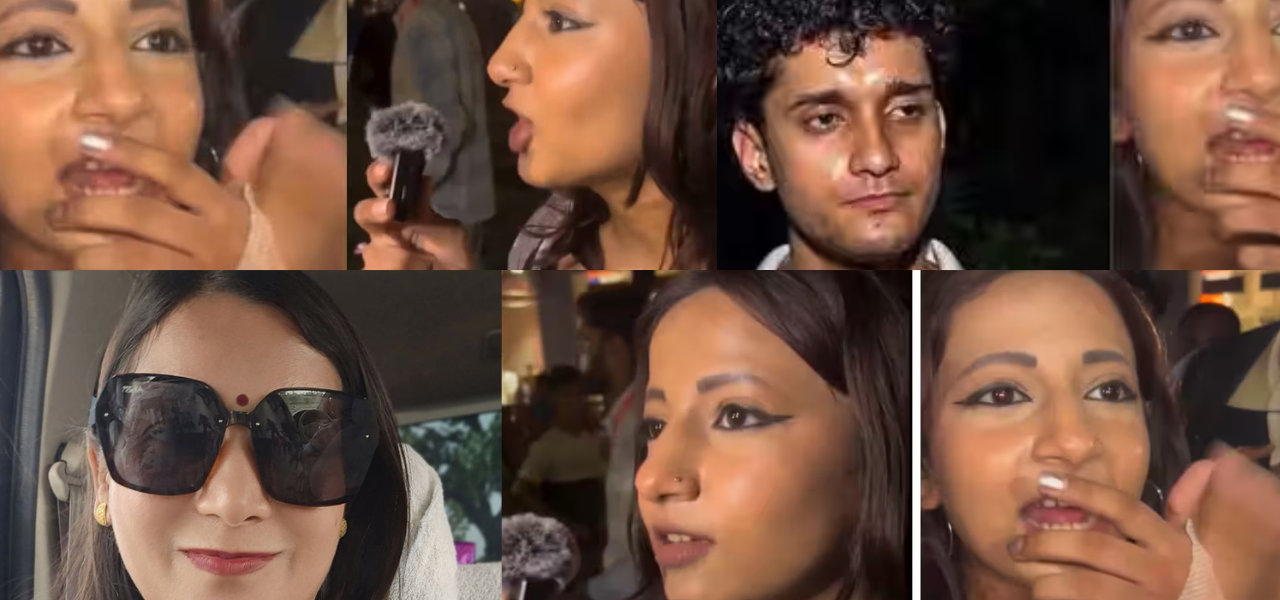
An alleged objectionable remark made against Prime Minister Narendra Modi during a protest at Delhi’s Jantar Mantar has now developed into more than just another viral social-media controversy.
Following a complaint, a Zero FIR was reportedly registered by Noida Police and the matter was transferred to Delhi Police for investigation, as the alleged incident occurred within Delhi’s jurisdiction.
The final legal position will be determined only after the investigation and judicial process are completed. Yet the controversy has already raised important questions about the character of political dissent in modern India.
The real issue is not whether citizens have the right to criticise a Prime Minister. They unquestionably do. The real issue is whether criticism loses its democratic legitimacy when argument is replaced by abuse.
Criticism Is Not a Crime
In a functioning democracy, citizens must be free to question the government, criticise public policy, challenge political leaders and organise peaceful protests.
No elected leader—whether a Prime Minister, Chief Minister, minister or member of Parliament—is beyond public scrutiny. Political authority cannot demand immunity from criticism.
Strong words, sharp disagreement and even uncomfortable questions are part of democratic life. A government that cannot tolerate criticism weakens democracy.
However, freedom of expression is not the same as freedom from all responsibility. The Constitution protects Freedom of Speech, but it also recognises lawful restrictions connected with matters such as public order, decency and defamation.
When Does Dissent Become Personal Abuse?
There is a clear difference between criticising a policy and attacking an individual through vulgar or degrading language.
A protest may question government decisions. It may demand accountability, resignation, reform or investigation. But once the language becomes personally abusive, the original cause of the movement can quickly disappear behind the controversy created by a few words.
Does offensive language strengthen a protest, or does it weaken its moral credibility?
Can a movement claim democratic legitimacy while rejecting democratic standards of public conduct?
Should the same standards apply irrespective of the speaker’s political ideology?
Are social-media virality and political provocation replacing reasoned public debate?
These questions should not be answered according to political convenience. If abusive speech is unacceptable when directed at one political leader, it must also be unacceptable when directed at another.
The Social-Media Reward System
Political communication has changed dramatically in the age of short videos and viral clips.
A carefully reasoned argument may receive limited attention, while an offensive remark can travel across millions of screens within hours. Outrage has become a form of digital currency.
The stronger the provocation, the greater the possibility of visibility. The more aggressive the language, the higher the likelihood of becoming a trending topic.
This creates a dangerous incentive. Participants may begin speaking not to advance a cause, but to produce the next viral moment.
When the language of protest becomes the main controversy, the original grievance is often the first casualty.
One Statement Can Overshadow an Entire Movement
A protest may involve hundreds or thousands of participants. Most may be peaceful. Most may be raising legitimate concerns. Yet one provocative statement can come to represent the entire movement in the public imagination.
This may be unfair to genuine participants, but it is also a predictable consequence of allowing inflammatory language to dominate a public platform.
Those organising protests therefore carry a responsibility to maintain discipline, prevent personal abuse and ensure that the stated cause is not hijacked by individuals seeking attention, political escalation or social-media fame.
The Law Must Decide, Not the Online Crowd
Public outrage should not become a substitute for investigation. Nor should political sympathy become a shield against lawful scrutiny.
The role of the police is to examine the complaint, verify the video, establish the identity of the speaker, determine the full context and assess whether the alleged words satisfy the legal requirements of the provisions invoked.
The role of a court, if the matter proceeds further, is to evaluate the evidence and decide whether any offence has been committed.
Registration of an FIR does not establish guilt. The allegations remain subject to investigation, evidence and judicial determination. The person named in a complaint must be treated as innocent unless proven guilty through due process.
Democratic Rights Come With Democratic Responsibility
A mature democracy is not one in which everyone agrees. It is one in which people can disagree strongly without abandoning dignity, reason and restraint.
Citizens have the right to criticise the Prime Minister. They have the right to oppose the ruling party. They have the right to protest against policies they believe are unjust.
But democracy also requires an understanding that public speech has consequences. Words spoken before cameras are no longer confined to a protest venue. They enter homes, classrooms, newsrooms and millions of mobile phones.
The language society normalises today may become the political culture inherited by the next generation.
News24Media’s Editorial Position
News24Media supports the constitutional right to peaceful protest, political criticism and freedom of expression.
At the same time, we believe that personal abuse, vulgarity and deliberate humiliation do not strengthen democracy. They weaken the quality of public discourse and often damage the legitimate cause that protesters claim to represent.
The law must be applied fairly, proportionately and without political discrimination. The same standards should govern every political party, every ideology and every individual.
Watch the Full Analysis
Our detailed video examines the reported incident, the complaint, the Zero FIR process, the legal questions and the wider debate surrounding freedom of expression and democratic decency.
- What reportedly happened at Jantar Mantar?
- Why was a Zero FIR registered?
- Why was the case transferred to Delhi Police?
- Where does Freedom of Speech meet legal responsibility?
- Can abusive language damage the legitimacy of protest?
Editorial Disclaimer: This article is an editorial analysis based on reported information and does not declare any individual guilty. All allegations remain subject to investigation and judicial review. Readers are encouraged to distinguish between reported facts, allegations and editorial opinion.
Discover more from
Subscribe to get the latest posts sent to your email.