
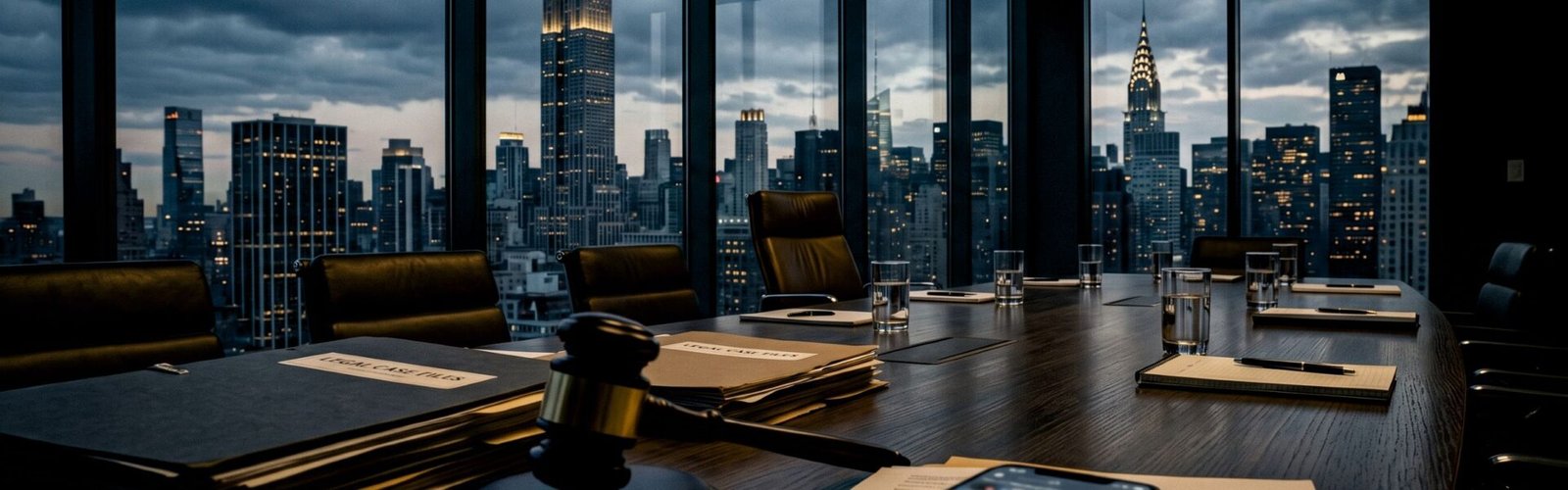
JPMorgan Sexual-Assault Suit Shocks Wall Street: Explosive Case Puts Banking Culture Under Fire


News24Media
JPMorgan’s Wall Street Shockwave: Inside the Explosive Sexual-Assault Suit That Has Put Banking Culture on Trial
Wall Street is no stranger to scandal. But the lawsuit now surrounding JPMorgan Chase, former banker Chirayu Rana, and senior executive Lorna Hajdini has become something more than another corporate legal dispute. It has turned into a reputation-shaking case at the dangerous intersection of power, workplace culture, gender politics, race, corporate accountability and viral social-media justice.
At the heart of the case is a civil lawsuit filed in New York by a former JPMorgan banker, identified in public reports as Chirayu Rana, against JPMorgan Chase and Lorna Hajdini, a senior figure in leveraged finance. The allegations are grave: sexual assault, harassment, racial harassment, coercion, retaliation and career damage. But the most important fact must be stated at the beginning: these are allegations in a live civil case, not court-proven facts.
JPMorgan and Hajdini have strongly denied the claims. Reuters reported that JPMorgan says it investigated the matter internally and found no merit, while Hajdini has denied any sexual or romantic relationship with Rana.
The lawsuit has captivated Wall Street because it breaks the usual script of corporate misconduct stories. Here, the complainant is a male banker. The accused individual is a female executive. The institution involved is JPMorgan Chase, one of the most influential names in global finance. The claims involve not only alleged sexual misconduct, but also racial humiliation and abuse of workplace authority.
According to Reuters, the plaintiff alleged he was subjected to sexual assault and harassment, filed an internal complaint in May 2025, and was later placed on administrative leave. Those claims, however, remain contested.
Key Facts So Far
- The matter is a live civil case, not an adjudicated finding of fact.
- The plaintiff has been identified in news coverage as Chirayu Rana.
- The defendants are JPMorgan Chase and Lorna Hajdini.
- JPMorgan reportedly attempted a $1 million settlement before the lawsuit became public.
- The bank and Hajdini deny the allegations.
- A preliminary hearing was reportedly scheduled for 26 May 2026.
The Settlement Question
The case exploded further because JPMorgan reportedly attempted to settle the matter before the lawsuit became public. Reuters reported that the bank tried to settle the claims and that The Wall Street Journal reported a $1 million offer, which the plaintiff rejected. JPMorgan has framed the attempted settlement as an effort to avoid reputational harm, not an admission of liability.
Rana’s lawyer, Daniel Kaiser, has questioned why a company would offer such a large amount if it believed the claims were entirely baseless. That single point has become one of the most explosive elements of the story.
In the court of law, settlement offers are not admissions of guilt. In the court of public opinion, however, they often raise uncomfortable questions. Was the bank trying to bury a damaging dispute? Was it simply trying to avoid a reputational storm? Or was this a calculated corporate risk-management move in a case where facts remain bitterly contested?
At this stage, the answer is unknown.
A Corrected Complaint, A Bigger Storm
The complaint was initially filed under “John Doe” and was reportedly removed or returned for correction before being refiled. The refiled version reportedly included witness statements and mental-health material, including a PTSD-related claim.
The Wall Street Journal reported on 9 May 2026 that the case had become a fixation across Wall Street and that a preliminary hearing was scheduled for 26 May 2026.
This is where the case becomes both sensational and legally delicate. The plaintiff’s side appears to rely not only on his own account but also on supporting materials that reportedly include witness affirmations. That gives the case public weight. But the defence side has responded with an equally aggressive counter-narrative: the allegations are false, the bank investigated, the complainant did not fully cooperate, and key parts of the story are disputed.
Trial by Social Media
The social-media dimension has made the case even more volatile. According to The Wall Street Journal, the matter has generated memes, AI-generated videos, speculation and misinformation. That is dangerous because the internet often wants a verdict before evidence is tested.
One side sees the case as a shocking example of hidden abuse inside elite banking. Another sees it as a possible reputational ambush. Neither conclusion can responsibly be treated as proven today.
For JPMorgan, the legal exposure is only one part of the problem. The larger issue is institutional credibility. Modern corporations are judged not only by whether misconduct occurred, but by how they respond when allegations arise.
Did the company investigate properly? Did it protect the complainant? Did it protect the accused from false allegations? Did it prioritise truth, or reputation? These questions now hang over one of the world’s most influential banks.
The Gender Question
The case also forces a deeper conversation about gender assumptions in harassment law. Male victims of workplace sexual misconduct often face scepticism, ridicule or disbelief. At the same time, accused women can also face instant reputational destruction before a court has reviewed evidence.
A fair system must hold both truths together: men can be victims, women can be accused, and allegations must still be tested through evidence.
The racial-harassment allegations add another serious layer. If proven, they would move the case beyond interpersonal misconduct and into the darker territory of hostile workplace culture. But again, the phrase “if proven” matters.
The available public record shows sharply conflicting accounts. Until discovery produces communications, calendars, access records, HR files, witness testimony and compensation-chain evidence, no responsible editorial can declare the truth.
Why This Case Matters
What is clear is that this is no ordinary HR dispute. It is a case about how elite workplaces manage power behind closed doors. It is about how banks handle complaints when both reputation and liability are at stake. It is about whether internal investigations are trusted by employees or viewed as protective shields for institutions.
It is also about how quickly a private workplace allegation can become a global digital spectacle.
The most likely next phase is hard-fought litigation. The 26 May 2026 preliminary hearing may clarify procedure, but it is unlikely to settle the central truth battle. The real test will come in discovery: documents, devices, messages, travel records, internal emails, witness depositions and HR decision-making trails.
That evidence — not gossip, not memes, not selective leaks — will decide the strength of the case.
Editorial View
For now, the JPMorgan lawsuit remains a live civil battle with explosive allegations and equally forceful denials. It is sensational, yes. But it is also a warning.
In the age of viral scandal, reputations can be damaged long before justice arrives. The only responsible position is to follow the evidence, protect due process, and recognise that Wall Street’s most shocking courtroom drama has only just begun.
Recent Posts
- Indo Bangladesh Border Crisis: From Liberation to Infiltration — The 50-Year Geopolitical Fault Line
- Students Are Studying More but Learning Less: The Silent Crisis Inside Indian Schools
- From Glory to shame: How Mamata Banerjee’s Political Empire Began to Crumble
Discover more from
Subscribe to get the latest posts sent to your email.









1 COMMENTS