Operation Herof Balochistan: Why the Pakistani Army is Facing Strategic Paralysis


The Siege of Balochistan: “Operation Herof Balochistan” and the Fragility of the Pakistani State
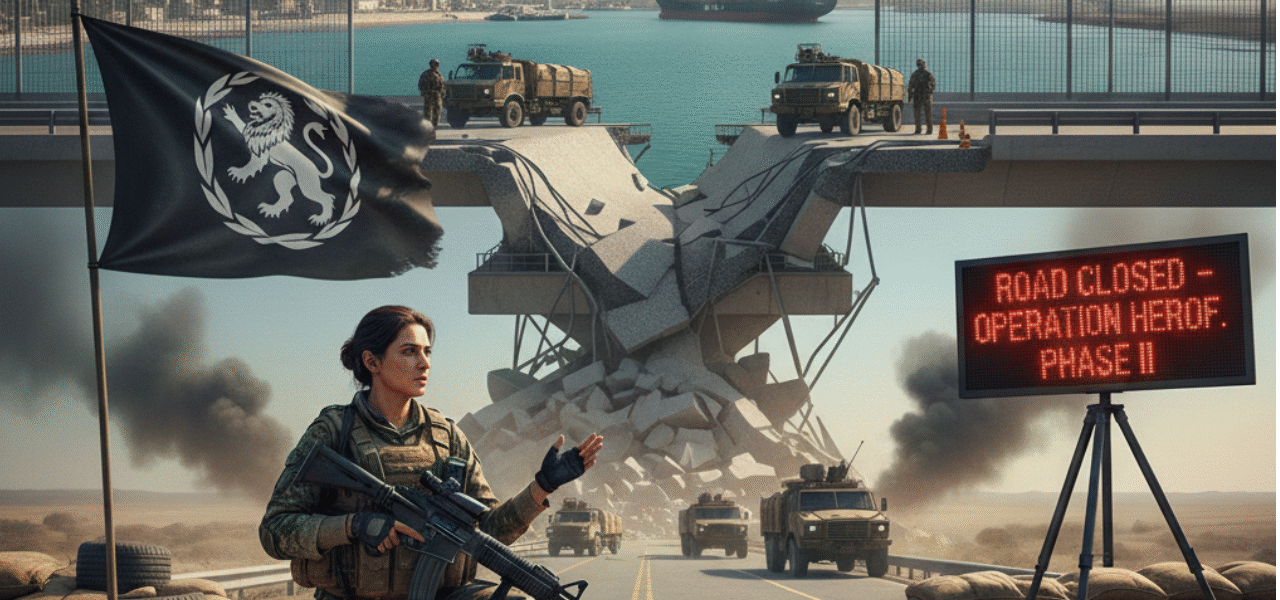
Over the last 48 hours, the southwestern province of Balochistan has transformed from a site of low-boil insurgency into a high-intensity combat zone. The Baloch Liberation Army (BLA) has unleashed “Operation Herof Balochistan Phase II,” a massive, multi-front offensive that has not only paralysed the province’s infrastructure but has also forced a startling tactical pivot from the Pakistani military.
The Current Situation: A Province Under Lockdown
On January 31, 2026, the BLA launched synchronised assaults across more than 12 major locations, including Quetta, Gwadar, Noshki, and Mastung. Unlike previous hit-and-run tactics, this operation aimed to project territorial dominance.
- The Human Toll: The conflict has resulted in one of the deadliest single-day tolls in recent history. Official reports confirm at least 193 deaths, including 17 security personnel, 31 civilians, and 145 militants.
- Tactical Shifts: The BLA’s Majeed Brigade utilised “fidayeen” (suicide) units, including female fighters, and high-definition propaganda to showcase their reach. In a brazen display of shadow governance, BLA fighters reportedly “arrested” and later released the Deputy Commissioner and Assistant Commissioner of Noshki on “humanitarian grounds,” signalling that they—not Islamabad—hold the keys to the province.
- Communication Blackout: A province-wide internet shutdown remains in place, and transport services to Quetta have been suspended as the military struggles to restore order.
Strategic “Red Zones” & Logistics Under Siege
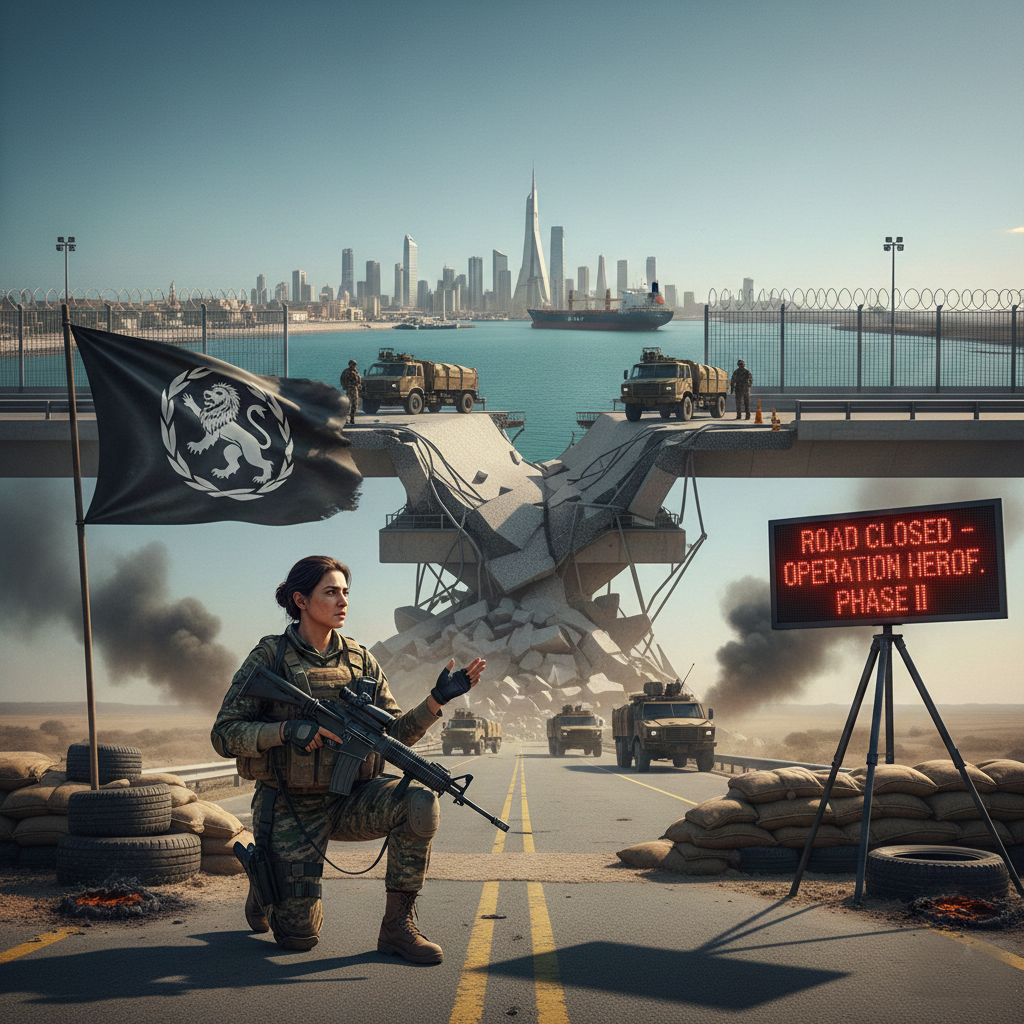
The BLA’s strategy has moved beyond guerrilla warfare to a strategy of logistical strangulation, successfully carving out “Red Zones” where state authority is nonexistent.
1. The Highway Choke Points
The BLA has successfully severed the “connective tissue” of the province:
- The Coastal Highway (M-10): The primary artery between Karachi and the Gwadar Port is effectively blocked. Insurgents have mined sections near Buzi Pass, making military movement impossible without heavy air cover.
- The Bolan Pass Rail Link: The destruction of high-voltage pylons and rail infrastructure near Mach has severed the only railway connecting Balochistan to the rest of Pakistan.
2. Urban Vulnerability: The Quetta-Noshki Axis
While the military maintains control of city centres, the perimeters are porous. The recent breach of a high-security prison in Quetta and the 35-hour hold on administrative areas in Noshki have forced the army into a “Security Bubble” model—defending fortified outposts while ceding the highways to the insurgents.
The “Back-Off”: Why the Army is Ceding Ground
Despite Chief Minister Sarfraz Bugti’s vow that the state “will not get tired,” the Pakistani military is facing a strategic paralysis:
- The CPEC Burden: Decisive pressure from Beijing following attacks on Chinese interests has forced the army to redirect its most elite units to static guard duties at China-Pakistan Economic Corridor (CPEC) sites. This leaves them unable to conduct mobile counterinsurgency in the mountainous interior.
- Psychological Deterrence: The sophistication of “Operation Herof Balochistan” has undermined military morale. The BLA’s ability to roam freely for 40 hours before effective state intervention has created a “multi-front” dilemma that the overstretched Pakistani forces are struggling to contain.
- International Fallout: With the US reportedly reconsidering mineral investments in the region due to instability, the military is caught between needing an “iron-fisted” response and the risk of further alienating the local population, which the BLA claims is now providing them with active logistical support.
Geopolitical Outlook: Transition to Civil War?
The BLA’s transition from a regional insurgency to a structured force capable of synchronised urban warfare represents a fundamental shift. As transport links remain severed and “Red Zones” expand, the viability of the Gwadar Port—the crown jewel of China’s Belt and Road Initiative—hangs in the balance.
The BLA has imposed a “one-month ban” on state identification in public places, further complicating the military’s ability to conduct intelligence-based operations without risking civilian casualties.
Operation Herof Balochistan Phase II, #operationherof
Discover more from
Subscribe to get the latest posts sent to your email.