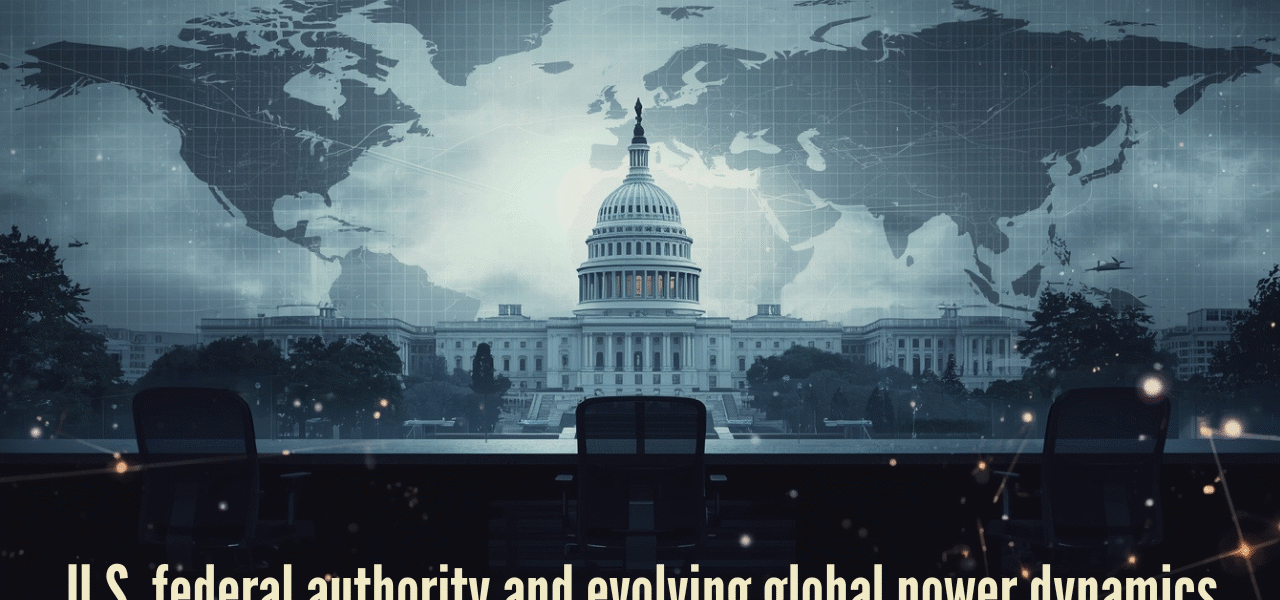
Minneapolis ICE Shooting Exposes Deepening Crisis in U.S. Authority and Global Power


From Minneapolis to the World: Federal Power, Military Expansion, and America’s Crisis of Legitimacy
How a deadly Minneapolis ICE Shooting, a trillion-dollar military push, and withdrawal from global institutions are reshaping perceptions of U.S. power
Minneapolis ICE Shooting
When a federal immigration officer fatally shot 37-year-old Renee Good during an enforcement operation in Minneapolis, the incident immediately reverberated far beyond city limits. What began as a local tragedy escalated into nationwide protests, a political standoff between city and federal authorities, and a renewed debate over the use of force by federal agencies.
At the same time, Donald Trump’s administration is pursuing a sweeping expansion of U.S. military power and orchestrating a mass withdrawal from international institutions that have defined global governance since World War II.
Together, these developments—domestic coercion and international disengagement—have raised an uncomfortable question among diplomats, legal scholars, and allies alike: Is the United States beginning to behave like a rogue state?
Minneapolis ICE Shooting, and the Domestic Fault Line
What Happened
On January 7, 2026, agents from U.S. Immigration and Customs Enforcement were conducting immigration enforcement operations in Minneapolis when an officer fired multiple shots at a vehicle driven by Renee Good, killing her at the scene.
Federal officials stated that the officer acted in self-defence, alleging the vehicle posed an imminent threat. However, city officials and witnesses presented sharply different accounts. Video footage reviewed by local authorities shows the car moving slowly away when shots were fired, contradicting claims of immediate danger.
Minneapolis Mayor Jacob Frey publicly rejected the federal account, calling it “inconsistent with the evidence available,” while Minnesota Governor Tim Walz demanded independent scrutiny.

“The narrative being put forward by federal authorities does not match what we are seeing. Actions that endanger residents and evade local accountability are unacceptable in our city.”
— Minneapolis Mayor Jacob Frey, January 2026
Protests and Escalation
Within hours of the Minneapolis ICE Shooting, protests formed outside federal buildings in Minneapolis and spread to Chicago, New York, and Washington, D.C. Demonstrators—many from immigrant and civil rights groups—accused ICE of operating with excessive force and impunity.
The FBI’s decision to assume exclusive control of the investigation further inflamed tensions. State authorities were denied immediate access to evidence, prompting accusations of a federal cover-up and intensifying mistrust between local governments and Washington.
Schools were closed in parts of Minneapolis, public transit was disrupted, and federal facilities were placed under heightened security—turning the city into a symbol of a wider national rift over immigration enforcement and federal power.
America First, Militarised
A $1.5 Trillion Signal
As domestic unrest unfolded, President Trump announced plans to seek approximately $1.5 trillion in U.S. defence spending for fiscal year 2027—an increase of nearly 50 percent over the current level.
The White House framed the proposal as essential for rebuilding American strength in an increasingly unstable world. Trump described it as creating a “dream military” capable of deterring adversaries and restoring U.S. dominance.
Independent analysts, however, warned that such an increase would significantly widen the federal deficit and redirect resources away from domestic priorities at a moment of heightened internal strain.
DATA CALLOUT BOX
U.S. Defence Spending (USD)
- FY 2025: ~$901 billion
- Proposed FY 2027: ~$1.5 trillion
- Increase: ~50%
Source: Reuters, U.S. budget documents
Exiting the Global System
Parallel to the military buildup, the Trump administration has initiated withdrawal from 66 international organisations, including 31 linked to the United Nations.
These include agencies involved in:
- Climate change research and coordination
- Women’s rights and development
- Scientific and environmental monitoring
The administration argues these institutions are inefficient, politicised, and misaligned with U.S. interests. Critics counter that abandoning them undermines global cooperation and weakens systems designed to prevent conflict and manage shared risks.
“This is not retrenchment—it is abdication.”
— European diplomat, speaking to Media
Is the United States Becoming a “Rogue State”?
Defining the Term
In international relations, a “rogue state” traditionally refers to a country that:
- Systematically violates international law
- Rejects multilateral norms
- Uses force or coercion without accountability
Washington has historically applied the term to adversaries—not to itself.
The Case for the Charge
Critics argue that the convergence of:
- Lethal federal force at home
- Retreat from post-war multilateral institutions
- Massive military expansion without corresponding diplomatic engagement
signals a shift toward unilateralism that destabilises international order.
Human-rights advocates warn that federal agencies operating with limited oversight domestically mirror a foreign policy increasingly dismissive of international constraints.
Foreign policy scholars caution that U.S. withdrawals leave power vacuums that rivals are eager to fill—particularly in climate governance, development finance, and global health.
The Counterargument
Defenders of the administration reject the “rogue state” label as exaggerated and politically charged. They note that:
- States retain sovereignty over treaty participation
- The U.S. remains engaged in NATO and bilateral alliances
- Domestic courts and political opposition continue to function
From this perspective, Trump’s policies represent hard sovereignty, not lawlessness—a recalibration rather than abandonment of global norms.
CONCLUSION
Power Without Consent?
The killing of Renee Good in Minneapolis and the protests that followed are not isolated incidents. They are part of a broader moment in which federal authority, military power, and global engagement are being redefined—often without consensus at home or abroad.
Whether the United States ultimately fits the definition of a “rogue state” may be less important than the perception now taking hold internationally: that Washington is increasingly willing to act alone, to withdraw rather than negotiate, and to rely on force—domestically and globally—over legitimacy.
For allies, rivals, and global institutions alike, the message is unsettling. A system built on American leadership is confronting an America increasingly sceptical of the system itself.
Minneapolis ICE shooting, U.S. military spending increase, Trump foreign policy second term, U.S. withdrawal from international organizations, America First geopolitics, ICE protests Minneapolis, U.S. federal authority immigration, rogue state debate United States, U.S. UN withdrawal, international law U.S. foreign policy, domestic unrest and foreign policy
Iran Leadership crisis: What We Know, What We Don’t, and Why the Stakes Are Global
Discover more from
Subscribe to get the latest posts sent to your email.