
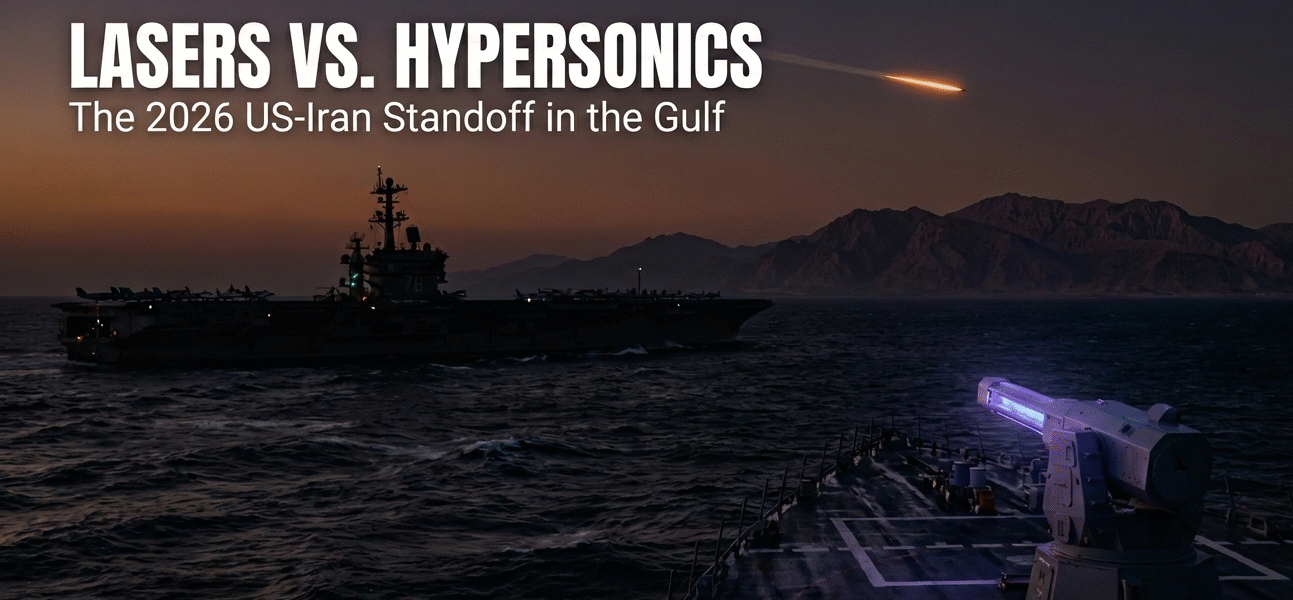
The Persian Paradox: Why Iran and the US are Trapped in a 2026 Standoff


The Persian Paradox
As the sun rises over the Alborz Mountains this Wednesday morning, the silence across the Iranian plateau is deafening. For fourteen days, the world’s most restive nation has been submerged in “Digital Darkness”—a total internet and telecommunications blackout imposed by the Islamic Revolutionary Guard Corps (IRGC) to mask a domestic crackdown of unprecedented proportions. Yet, while the streets of Isfahan and Tabriz burn, a different kind of stillness has taken hold in the Oval Office.
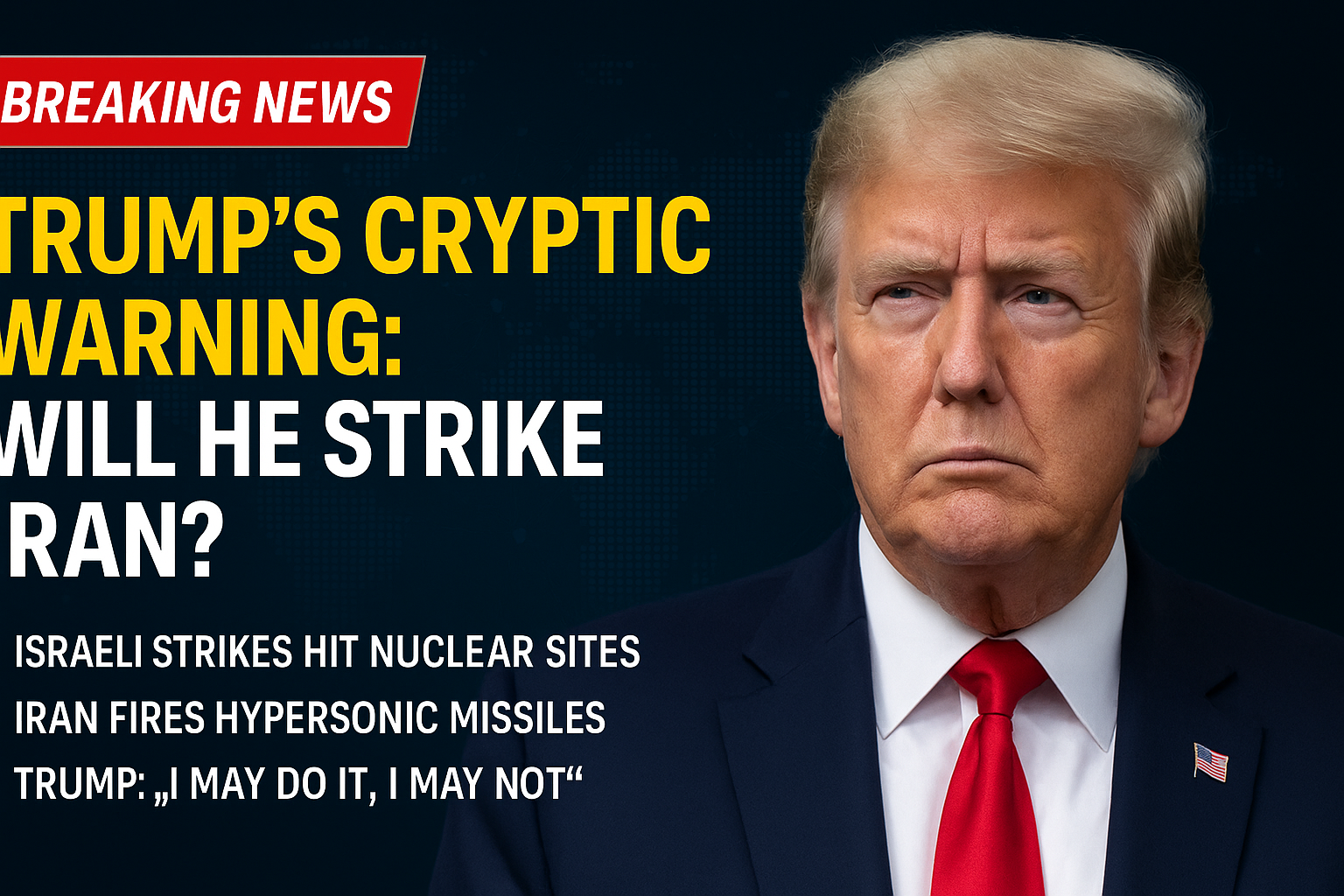
President Donald Trump, now in the second year of his second term, faces a strategic Persian paradox that has defied his predecessors. Despite the “Twelve-Day War” of June 2025, which saw direct American and Israeli strikes on Iranian nuclear facilities, the regime in Tehran has not collapsed. Instead, it has mutated into a “Security-Industrial Junta,” armed with hypersonic technology that has fundamentally rewritten the rules of Middle Eastern engagement.
The Ghost in the Machine: Why the Shield Cracked
The current Persian paradox cannot be understood without revisiting the “Saturation Summer” of 2025. In June of last year, Iran launched a barrage of over 400 missiles in a single week—an operation that military analysts now call the “Great Depletion.”
While Israel’s Arrow-3 and the U.S.-manned THAAD systems performed with high technical efficiency, they fell victim to the cold math of industrial warfare. Iran’s Fattah-1—a manoeuvrable reentry vehicle (MaRV) capable of speeds between Mach 13 and Mach 15—proved to be a “game-changer” not through raw speed alone, but through its ability to perform erratic terminal manoeuvres.
“The physics of defence changed on June 18, 2025,” say defence experts. “When a warhead can change its dive angle and trajectory at five times the speed of sound, traditional radar-lock becomes a game of shadows. We saw ‘leakers’ strike Nevatim Air Base not because our systems failed, but because they were mathematically overwhelmed.”
The Laser Response: Iron Beam and the $2 Interception
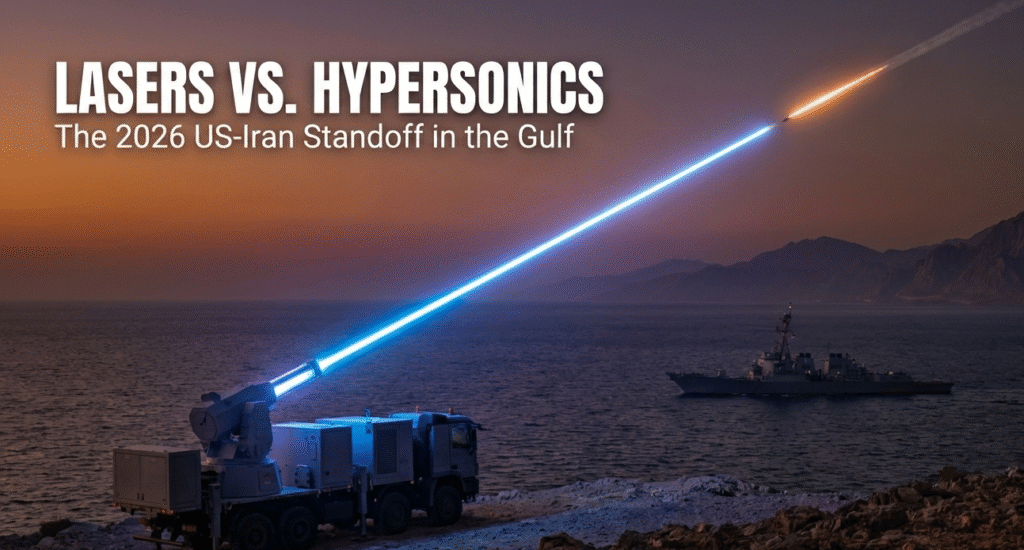
In response to the 2025 breaches, the strategic balance shifted again on December 30, 2025, when the Israeli Ministry of Defence declared the “Iron Beam” laser system fully operational. This high-energy fibre laser represents the West’s best hope of neutralising Iran’s “Saturation Doctrine.”
Unlike the Arrow interceptors, which cost roughly $3 million per shot, the Iron Beam fires for the price of the electricity used—approximately $2.00 per interception. By engaging drones and short-range missiles at the speed of light, the system offers an “infinite magazine.” However, as of January 2026, the technology remains limited by weather conditions and range, leaving a “hypersonic gap” that the U.S. is currently scrambling to fill with its own Glide Phase Interceptors (GPI).
The Succession Crisis: Who Governs the Silence?
Behind the military “roar” lies a regime in profound internal agony. Reports filtered through clandestine Starlink terminals suggest that the death toll from the January 2026 massacres has surpassed 12,000. These protests, sparked by a currency collapse that saw the Rial hit 1,000,000 to $1 USD, have targeted the very heart of the clerical establishment.
But the most consequential development is the “Cognitive Eclipse” of Supreme Leader Ali Khamenei. Following the U.S. strikes in Operation Midnight Hammer last June, the 86-year-old leader has made only rare public appearances. Intelligence circles in Washington and London are now monitoring a three-way power struggle to succeed him:
- The Dynastic Path: Mojtaba Khamenei, the Supreme Leader’s son, backed by the “Old Guard” and the intelligence services.
- The Military Junta: A council of IRGC generals who believe the “Second Republic” (the rule of clerics) must give way to a “Third Republic”—a secular-military nationalist state modelled after the IRGC’s own corporate empire.
- The Reformist Mirage: Figures like Ali Larijani, who seek a “Strategic Submission” to the West to save the economy and prevent a total revolution.
Trump’s “Left-of-Launch” Gamble
For President Trump, the decision to withhold a massive ground invasion—the “thinking” period the world is watching—is not a sign of hesitation, but of a new doctrine: “Left-of-Launch” Interdiction.
The Trump administration has pivoted toward a strategy of “Cyber-Decapitation.” Instead of bombing mountain silos, U.S. Cyber Command has reportedly utilised supply-chain vulnerabilities to “brick” the guidance systems of Iranian solid-fuel missiles. This was evidenced by the series of “anomalous detonations” at the Semnan spaceport in early January.
Furthermore, the White House has signalled a move from financial sanctions to “Trade Punishment,” threatening a 25% tariff on any nation or company that facilitates the “Shadow Fleet” of Iranian oil tankers. By targeting the IRGC’s revenue at the source while allowing internal protests to erode the regime’s legitimacy, Trump is betting that the Islamic Republic will “hollow out” from the inside before a single American paratrooper needs to land.
The Samson Option: The Final Red Line
The danger of this “Strategic Submission” policy is the Samson Option. As the IRGC Junta feels the noose tighten, the risk of a “breakout” toward a nuclear weapon reaches its zenith. Intelligence suggests that Iran’s “Screwdriver Time”—the duration required to assemble a deliverable warhead—is now measured in weeks, not months.
The standoff of January 2026 is, therefore, a race against time. Can the Iranian people topple the regime before the IRGC decides that a regional nuclear conflagration is the only way to ensure its own survival?
As of mid-January, the U.S. Navy’s USS Abraham Lincoln is positioned in the North Arabian Sea, not to invade, but to wait. In the high-stakes poker game of 2026 geopolitics, the winner will not be the one with the loudest roar, but the one whose tech, economy, and internal cohesion can survive the longest silence.
Persian Paradox, Iran-US war 2026, Fattah-1 hypersonic missile, Iron Beam laser defense, Khamenei succession crisis, IRGC junta, Trump Iran strategy, Rial collapse, Middle East geopolitics. #iranprotest2026
Discover more from
Subscribe to get the latest posts sent to your email.






1 COMMENTS