
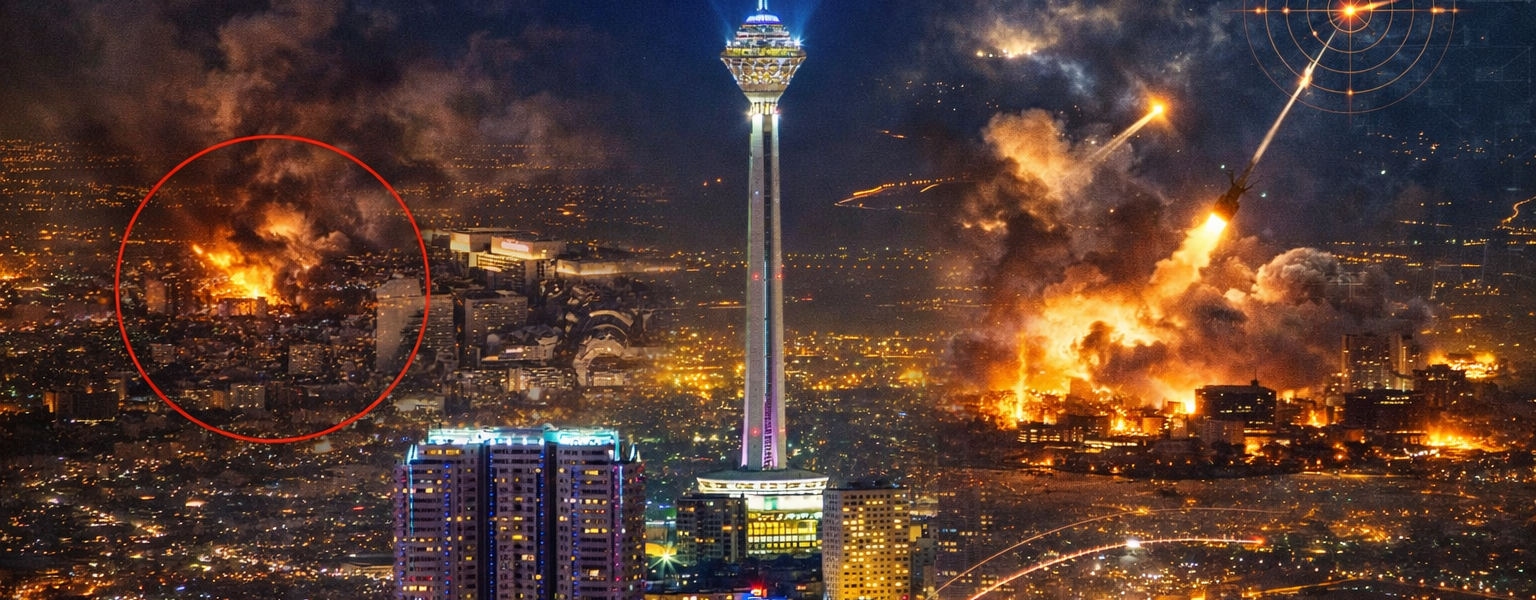
Khamenei Killed in US–Israel Strikes: Iran Succession Shock, Gulf Retaliation, and the New Middle East Escalation


Khamenei Killed: How a Decapitation Strike Redrew the Middle East Chessboard
On 28 February 2026, a joint United States–Israel air campaign killed Iran’s Supreme Leader, Ayatollah Ali Khamenei, in Tehran—an operation that has since triggered the most dangerous regional escalation in years.
What began as weeks of high-stakes brinkmanship—marked by public threats, indirect nuclear talks, and military posturing—has now morphed into a full-spectrum geopolitical confrontation stretching from Tehran to the Gulf.
This News24Media special investigation reconstructs:
- The escalation pathway before the strike
- How the “decapitation” operation was timed and executed
- Iran’s internal continuity mechanisms
- The Gulf retaliation spiral
- And what the evidence does—and does not—support about “staged” retaliation or internal complicity
- Iran’s Supreme Leader Ayatollah Ali Khamenei killed on 28 Feb 2026 in the first phase of a joint US–Israel strike package.
- The killing triggered a broader campaign and multi-day regional retaliation affecting Gulf states hosting US forces and key shipping/aviation routes.
- Iran moved quickly to project continuity via a temporary leadership arrangement while formal succession dynamics come into focus.
- Exact casualty lists and identities, including reported deaths among close relatives/entourage, vary across early reporting and may shift.
- Precise operational details (how intelligence pinpointed location and timing) are partly based on anonymous-source accounts.
- How quickly Iran’s Assembly of Experts will appoint a successor—and whether a collective model emerges under wartime pressure—remains unclear.
- “The entire family was eliminated”: not supported by the most consistent reporting; some accounts cite a smaller number of relatives killed.
- “Retaliation was staged”: evidence points to real multi-day disruption and interceptions across states—more consistent with calibrated retaliation than fabricated events.
- “The regime allowed the assassination”: no credible sourcing confirming internal consent; intelligence penetration/leaks can occur without top-level approval.
The Strike That Changed the Equation
Multiple high-credibility reports confirm that Khamenei killed in the first phase of a large US–Israeli strike package.
The operation was not isolated. According to US briefings, more than 1,000 targets were struck in the opening wave and its aftermath.
Key operational elements reported:
- Planners reportedly moved when intelligence detected that Khamenei was meeting top aides.
- Timing was critical to prevent him from disappearing into hardened shelters
- Satellite imagery reviewed by the media confirmed the destruction of a high-security compound.
- US–Israeli intelligence coordination was described as “highly sophisticated”.
This suggests:
- Deep intelligence penetration (human and/or technical).
- Exploitation of a rare exposure window.
- Pre-positioned strike readiness running parallel to diplomacy.
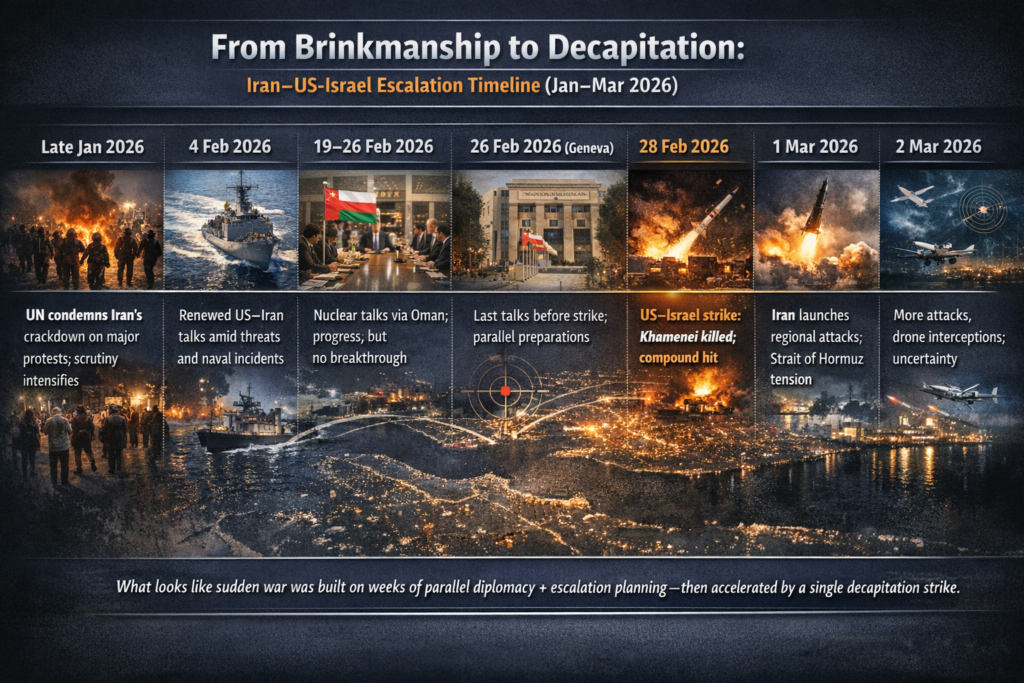
The Escalation Path: Talks and Threats in Parallel
In the weeks before the strike:
- The UN Human Rights Council condemned Iran’s repression of protests in January.
- Washington and Tehran resumed indirect nuclear talks mediated by Oman in February.
- Military tensions rose: drone incidents near US naval assets, threats against US bases.
- Intelligence disputes emerged over claims of imminent Iranian ICBM capability.
Critically, talks were still ongoing as late as 26 February 2026—just two days before the strike.
This sequencing suggests diplomacy and strike preparation were proceeding simultaneously—a classic coercive bargaining model.
Was Iran “Unprepared”?
Immediately after Khamenei killed, Iranian President Masoud Pezeshkian announced a temporary leadership council composed of:
- The President
- The Judiciary Chief
- A Guardian Council representative,
This reflects Iran’s institutional design: no single point of failure.
Long-term succession formally rests with the Assembly of Experts, an 88-member clerical body.
Crucially:
- Khamenei had reportedly shaped succession contingencies after the 2025 Israel–Iran conflict.
- Backup commanders were in place
- The system is structured to survive leadership decapitation
This does not indicate consent or staging. It indicates procedural preparation.
The IRGC Variable
The Islamic Revolutionary Guard Corps is widely described as the regime’s “centre of gravity”.
The key determinant now is:
- Will the IRGC consolidate power?
- Will it escalate externally?
- Or will internal fissures emerge?
So far, reporting indicates cohesion rather than fragmentation.
Gulf Retaliation: Calibrated or Staged?
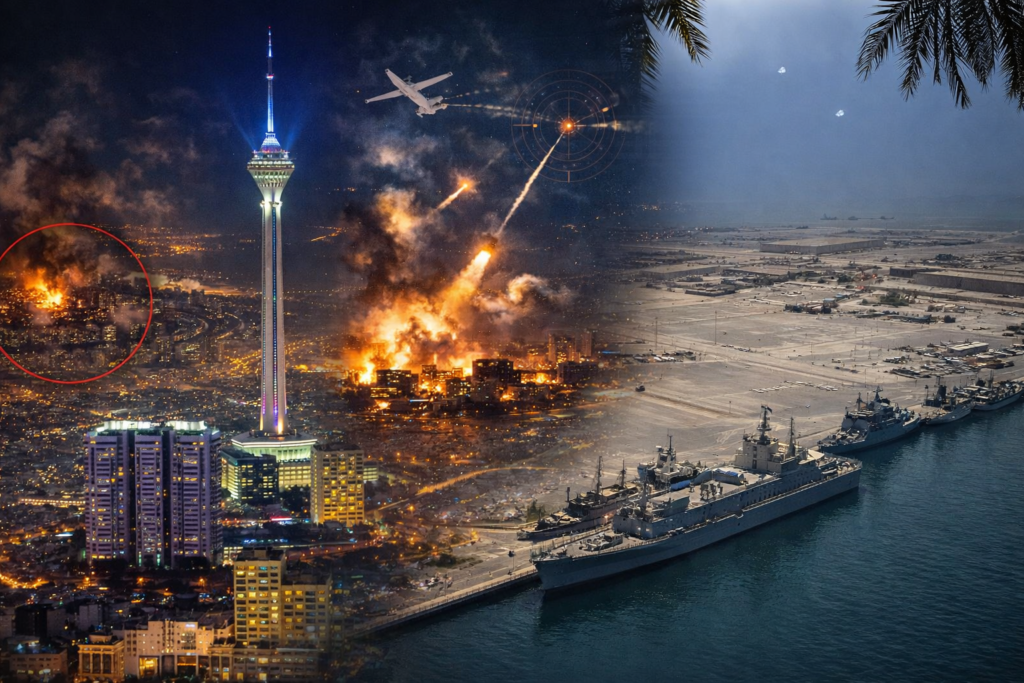
Iran responded with:
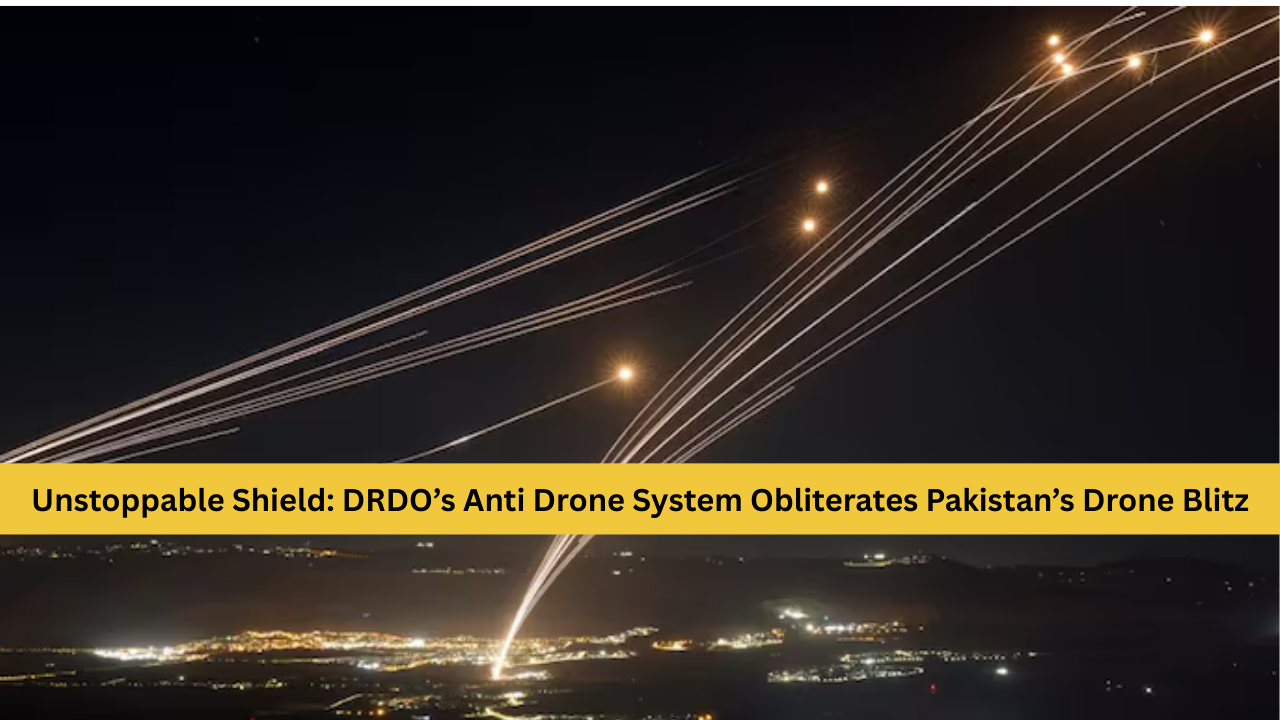
- Missile and drone salvos targeting Israel
- Attacks affecting Dubai, Abu Dhabi, and Doha.
- Strikes on a US naval facility in Bahrain
- Missile attacks on US bases in Kuwait City
- Threats to close the Strait of Hormuz
Shipping disruptions and aviation shutdowns were reported across multiple days.
Is This “Staged”?
Strong staging (fabrication or collusion) is unsupported.
Evidence shows:
- Real interceptions
- Real infrastructure disruption
- Multi-day engagements across sovereign states
However, a weaker concept—calibrated retaliation—fits:
- Restoring deterrence
- Managing escalation
- Signalling resolve to domestic audiences
That aligns with classical escalation theory without requiring conspiracy.
The “Global Dominance” Thesis
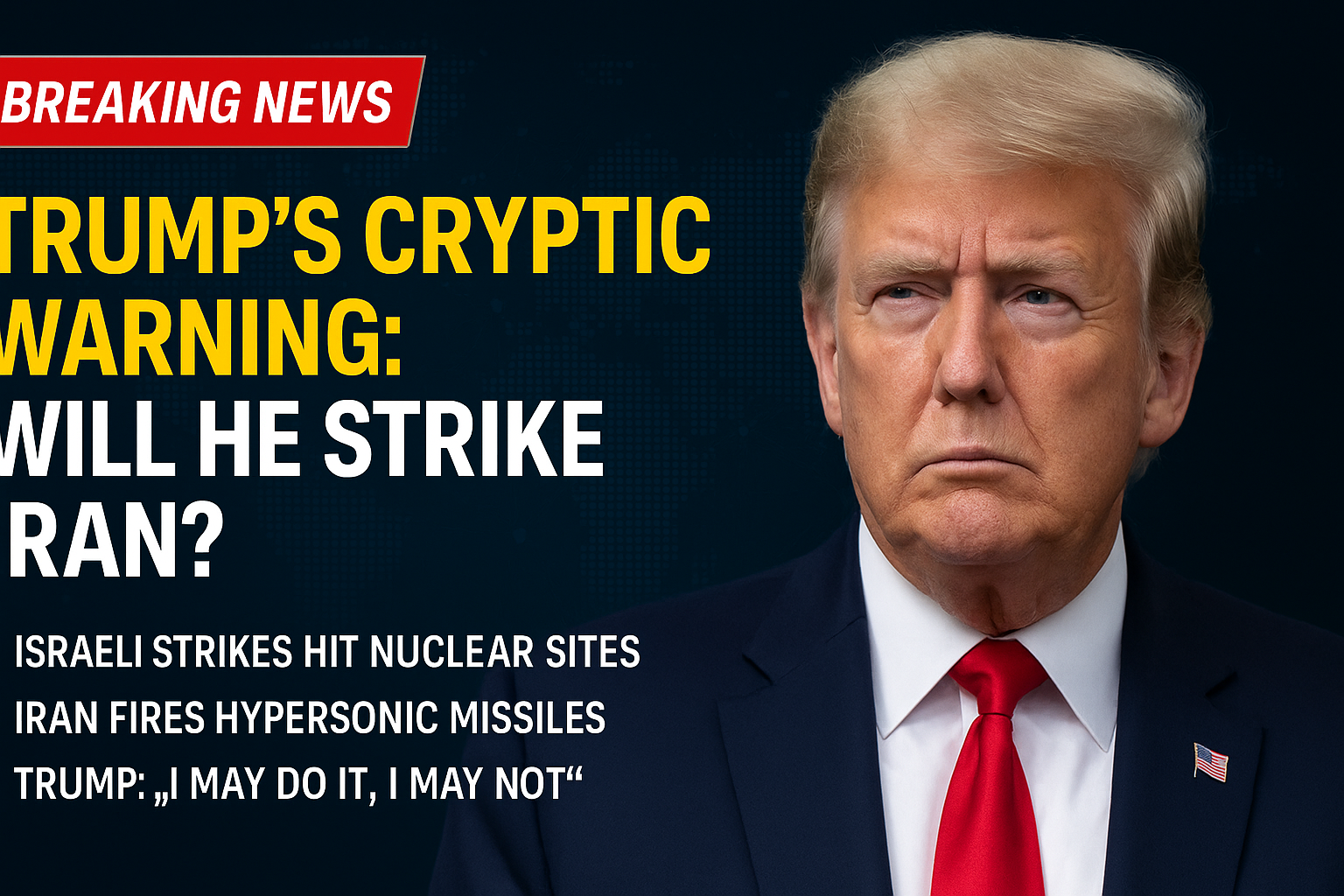
The White House framed the campaign as necessary to “crush” Iran’s regime and end nuclear threats. President Donald Trump urged Iranians to topple their government. Prime Minister Benjamin Netanyahu confirmed compound destruction.
Yet:
- US intelligence reportedly showed no clear sign that Iran was about to attack US forces first.
- CIA assessments questioned whether regime change would follow.
- Russian President Vladimir Putin condemned the killing.
This indicates contested global legitimacy—not silent compliance.
Strategic Outlook: Three Possible Trajectories
1️⃣ Hardening & Militarisation
IRGC dominance, intensified proxy warfare, Hormuz brinkmanship.
2️⃣ Managed Escalation & Negotiated Freeze
Backchannel diplomacy resumes after deterrence signals.
3️⃣ Fragmentation & Internal Strain
Elite rivalry and economic shock weaken regime coherence.
As of 2 March 2026, evidence points to scenario one—with elements of two still possible.
Final Assessment
The publicly verifiable evidence supports:
✔ A coordinated US–Israeli decapitation strike
✔ Pre-existing intelligence penetration
✔ Institutional continuity planning in Iran
✔ Real, multi-state retaliation across the Gulf
✔ Active global contestation over legality and intent
It does not support:
✖ Proven staging
✖ Documented internal consent
✖ Confirmed regime collapse
What is unfolding is not theatrical—it is structural.
The Middle East chessboard has shifted. The next moves—by Tehran’s security establishment, by Washington’s strategic planners, and by Gulf capitals balancing survival and alliance—will determine whether this becomes a contained crisis or the opening chapter of a deeper regional realignment.
Khamenei Killed #iranprotest2026
Discover more from
Subscribe to get the latest posts sent to your email.






6 COMMENTS