
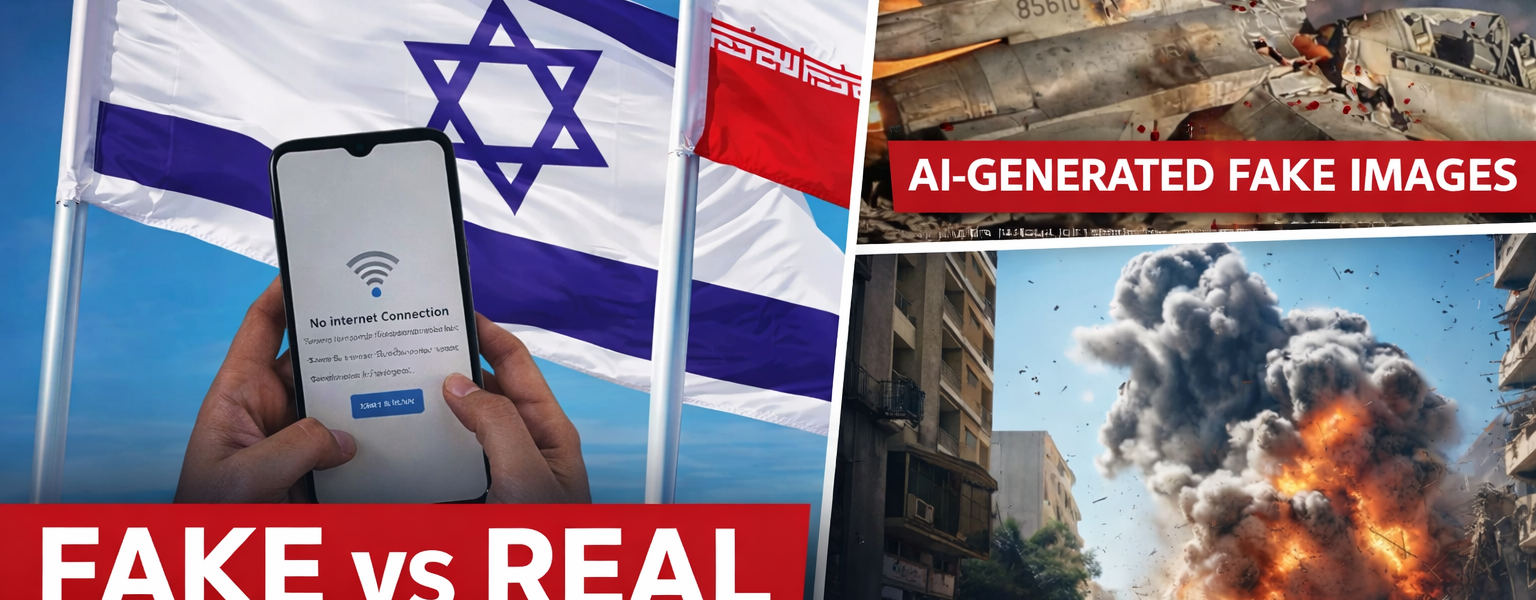
Iran Israel War Videos Flood Social Media: Real Footage, Old Clips, and AI Deepfakes Explained


Iran Israel War Videos in the Age of Algorithms: Inside the Social Media Video Flood From the Iran–Israel Conflict
As the war between Iran and Israel intensifies, a parallel battle is unfolding online. Social media platforms have been flooded with dramatic Iran Israel War Videos — missile interceptions, drone swarms, night-time explosions, air-defence systems firing, civilian panic, and destroyed infrastructure.
Some of these clips are real, captured by local correspondents and eyewitnesses on the ground. Others are recycled from older conflicts. A growing number are AI-generated fabrications designed to provoke outrage, confusion, or geopolitical manipulation.
The modern battlefield is no longer just territorial. It is informational.
The Scale of the Iran Israel War Videos Surge
The compilation of real, verified Iran Israel war videos
Within minutes of any strike, platforms such as X, Telegram, Instagram, and YouTube light up with footage claiming to show “breaking developments.”
Open-source intelligence (OSINT) communities and independent verification groups report:
- Hundreds of war-related clips are uploaded daily.
- Significant cross-posting across platforms within minutes.
- Videos are frequently stripped of original timestamps or geolocation data.
- AI-enhanced or AI-generated clips that appear hyper-realistic.
The speed of upload now outpaces the speed of verification.
Three Categories of Viral Iran Israel War Videos
1️⃣ Verified, Ground-Level Footage
These include:
- Local journalists documenting missile impacts.
- Civilian smartphone recordings of air-defence systems.
- Live streams from urban areas are on alert.
Such content can often be verified through:
- Consistent skyline and geographic markers.
- Satellite imagery cross-checks.
- Audio pattern analysis of known weapons systems.
- Timestamp alignment with confirmed strike reports.
These Iran Israel War Videos are critical in helping global audiences understand the evolving situation — especially when official briefings are delayed or strategically ambiguous.
2️⃣ Misattributed or Old Footage
A significant portion of viral clips originates from:
- Previous Middle East conflicts.
- Footage from Syria civil war zones.
- Missile interceptions from Ukraine conflict videos.
- Archived drills or military exercises.
Old clips are frequently recirculated with new captions such as “Breaking: Tel Aviv under massive attack” or “Iran retaliates tonight,” despite having no connection to the current events.
In the digital age, context is the first casualty.
3️⃣ AI-Generated or Digitally Manipulated Iran Israel War Videos
Perhaps the most concerning development is the rise of generative AI war footage:
- Hyper-realistic explosions.
- Synthetic drone swarms.
- Deepfake military briefings.
- Fabricated urban destruction scenes.
AI models now produce high-resolution night combat visuals complete with sound design. To the untrained eye, these clips appear authentic.
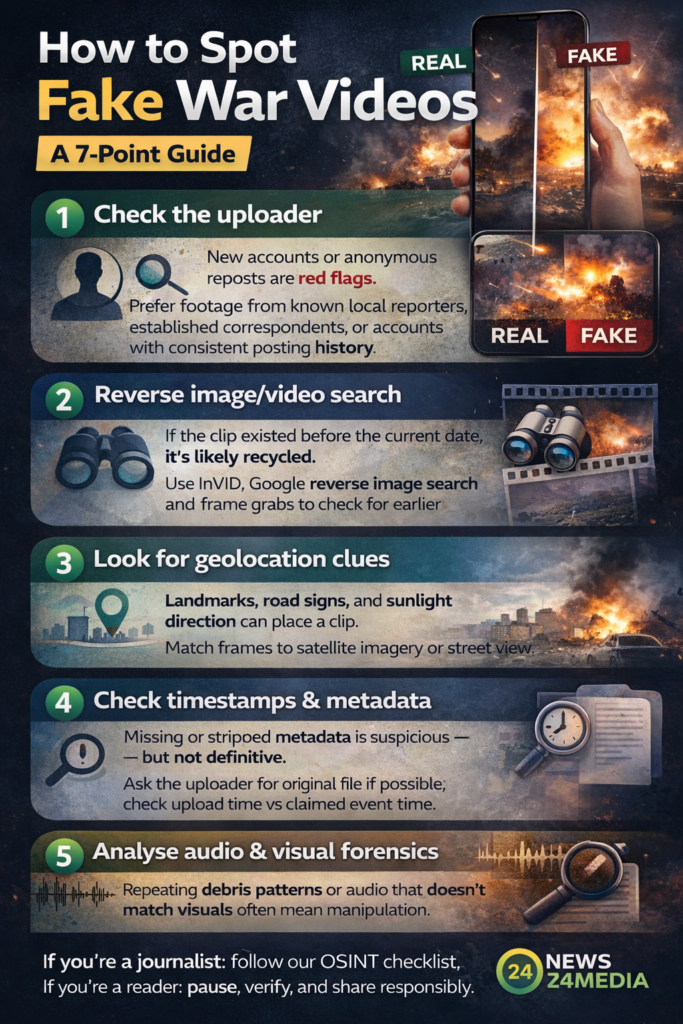
Key red flags include:
- Unnatural lighting physics.
- Repeating debris patterns.
- Audio mismatches.
- Impossible camera angles.
- Inconsistent architectural features.
Experts warn that the sophistication of such tools is accelerating faster than public awareness.
Why the Disinformation Surge?
The flood of misleading content is not accidental. It serves multiple strategic objectives:
🔹 Psychological Warfare
Inflated damage visuals can:
- Exaggerate perceived military success.
- Demoralise civilian populations.
- Create panic in financial markets.
🔹 Narrative Control
In high-stakes geopolitical conflicts, narrative dominance shapes:
- International diplomatic reactions.
- UN voting patterns.
- Sanctions discussions.
- Public opinion in Western democracies and regional states.
🔹 Strategic Ambiguity
Some analysts suggest that information chaos benefits actors seeking plausible deniability. When truth and fiction intermingle, accountability becomes harder to establish.
The Verification Race
Newsrooms, OSINT analysts, and digital forensics teams are deploying:
- Reverse image search tools.
- Metadata extraction.
- Frame-by-frame satellite comparison.
- Audio fingerprinting.
- AI-detection software.
However, verification takes time. Viral misinformation spreads instantly.
Major media houses increasingly rely on layered authentication before broadcasting footage. Meanwhile, independent fact-checkers collaborate across borders to debunk false claims.
OSINT verification checklist
Geopolitical Implications
The Iran–Israel conflict is already sensitive, involving:
- Regional security alliances.
- Gulf state energy routes.
- U.S. strategic positioning.
- Proxy network dynamics.
In such an environment, manipulated visuals can escalate tensions. A fake video suggesting mass civilian casualties or strategic infrastructure destruction could influence military decisions or trigger retaliatory statements.
In the past, misinformation has:
- Prompted diplomatic protests.
- Caused market volatility in oil prices.
- Fueled sectarian tensions online.
The information domain is now a live theatre of war.
The Responsibility of Media Platforms
Platforms face mounting pressure to:
- Label synthetic media.
- Slow virality of unverified war footage.
- Improve AI-detection algorithms.
- Increase transparency about content origin.
Yet enforcement varies widely. Real-time moderation during geopolitical crises remains imperfect.
Our Position: Verified Over Viral
In the middle of this digital storm, we have identified and published carefully verifiedIran Israel War Videos sourced from:
- Confirmed local correspondents.
- Direct witnesses with timestamp validation.
- Cross-checked geolocation analysis.
Each published clip undergoes:
- Multi-layer authentication.
- Context verification.
- Source credibility assessment.
We have deliberately refrained from amplifying unverified or sensational content — even when it trends globally.
Accuracy, not acceleration, is our editorial principle.
The Larger Reality
Modern conflicts are fought across three domains:
- Physical battlefield
- Cyber and infrastructure networks
- Information and perception space
The third may prove just as consequential as the first.
As AI tools grow more powerful and distribution networks become more instantaneous, distinguishing reality from fabrication will become one of the defining geopolitical challenges of this decade.
The war between Iran and Israel is not only testing military capabilities. It is testing the resilience of global information systems — and the public’s ability to navigate truth in an algorithm-driven world.
Iran Israel War Videos
Discover more from
Subscribe to get the latest posts sent to your email.








1 COMMENTS