India Energy Security Amidst Iran-Israel War: Key Strategic Impacts


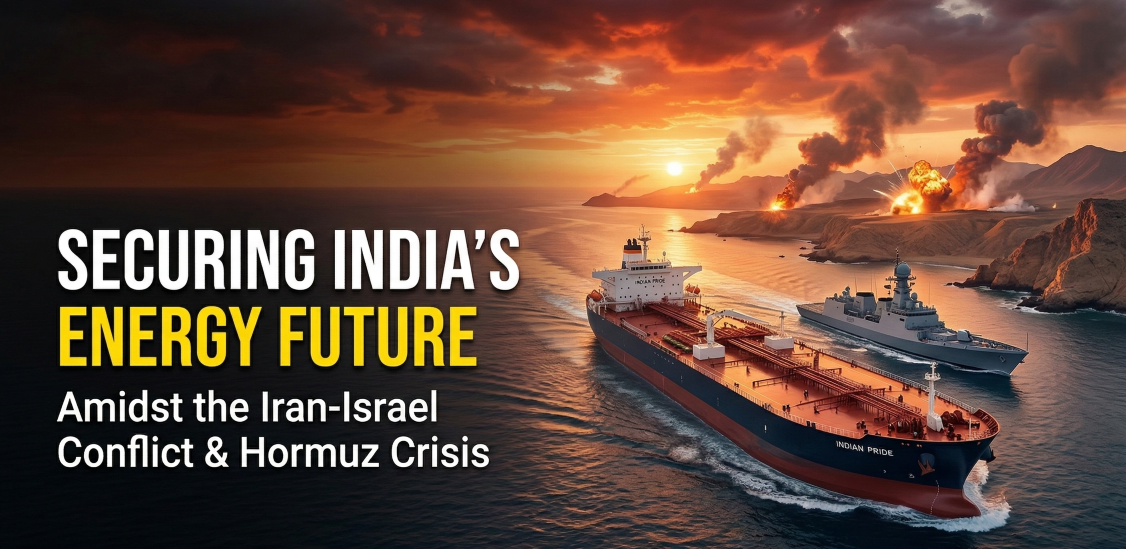
India Energy Security Amidst Iran-Israel War: Navigating the Strait of Hormuz Crisis
The escalation of the 2026 Iran war has sent immediate shockwaves through global stock markets and triggered significant disruptions to global oil and gas trade. With the critical Strait of Hormuz clamped down, countries heavily reliant on Middle Eastern crude, particularly India and China, face severe vulnerabilities. Here is a comprehensive overview of how India energy security is managed amidst the Iran-Israel war.
Economic Threat and Strategic Reserves
The closure of the Strait of Hormuz poses a massive financial risk to the Indian economy. An ex-Niti Aayog chief warned that every $10 spike in crude oil prices could cost India $14 billion. To buffer against such supply chain shocks, India is leaning on its Strategic Petroleum Reserves.
Currently, India has an active commissioned capacity of 5.33 MMT across three main facilities:
- Visakhapatnam (Andhra Pradesh): 1.33 MMT capacity (Active).
- Mangaluru (Karnataka): 1.50 MMT capacity (Active).
- Padur (Karnataka): 2.50 MMT capacity (Active).
- Chandikhole (Odisha): A planned expansion of 4.00 MMT is currently under construction.
Diplomatic Interventions and Shipping Insurance
Recognizing the grave concern of the situation in West Asia, Prime Minister Modi has initiated direct communications with leaders of Qatar, Oman, and Kuwait to navigate the crisis.
- The Indian government has established a dedicated control room as the conflict escalates.
- A PM Modi-led cabinet committee is actively reviewing the crisis and directing steps to assist Indians stuck in the warzone.
- To proactively shield fuel supplies, India is in touch with multilateral agencies, including the U.S. International Development Finance Corporation (DFC), to secure shipping insurance.
The U.S. Tariff Reversal and Russian Oil Waiver and India Energy Security
In a significant geopolitical shift, the United States has adjusted its trade stances to help India mitigate the Middle East supply crunch.
- The U.S. formally lifted a Russia-linked 25% tariff on Indian imports.
- Amid global supply concerns, the U.S. granted India a 30-day waiver to purchase millions of barrels of Russian oil that were previously stranded at sea.
- This temporary waiver allows India to maintain its Russian oil imports and stabilize its energy supply chain during the prolonged Middle East conflict.
Impact on Domestic Fuel Prices
Despite the international turmoil, the Indian government has taken steps to control domestic costs.
- As of March 6, 2026, the petrol price in India stands at ₹94.77 per litre.
- To shield consumers, the government implemented an excise duty cut, slashing petrol prices by Rs 8.69 per litre and diesel by Rs 7.05 per litre.
Ultimately, the U.S.-Israel war on Iran highlights why accelerating a clean energy transition is now more crucial than ever for long-term India energy security.
Want to dive deeper into the tactical and economic breakdown of this issue? Read the full comprehensive research report here
India Energy Security
Discover more from
Subscribe to get the latest posts sent to your email.