Even MAGA’s Own Face Racism: Vivek Ramaswamy and the Rise of Anti-Indian Hate in America


When Loyalty Isn’t Enough: Anti-Indian Racism Inside the MAGA Fringe
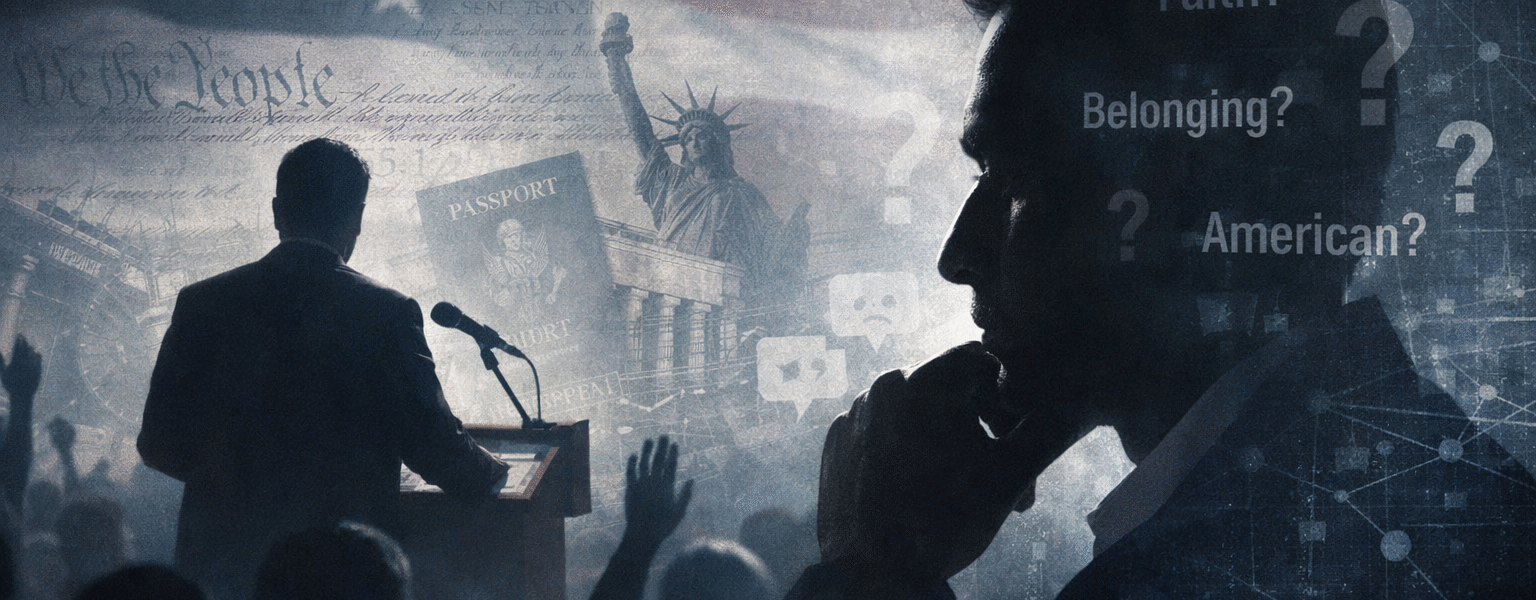
At a recent youth-heavy conservative gathering—an AmericaFest-style rally complete with oversized flags, thundering applause and viral soundbites—an uncomfortable exchange cut through the theatrics. Vivek Ramaswamy, a Hindu Indian-American Republican who has aligned himself with much of the MAGA agenda, was pressed not on tax policy or federalism but on whether his ethnicity and faith disqualified him from representing a predominantly Christian state. Some questioned if he was “masquerading” as a Christian; others asked whether someone “from a different culture” could ever be a “real” American leader.
The moment crystallised a deeper question now reverberating across US politics: what does it say about a movement when even its own Indian-origin stars face bigotry from within?
MAGA, Indians and the Politics of Belonging
The MAGA movement—coalesced around a combative nationalism, hardline immigration rhetoric and a sharpened idea of “real Americans”—has always been a coalition with fault lines. In recent months, those fissures have become visible around Indian-origin Americans. Newsrooms and researchers have documented a spike in anti-Indian rhetoric across social platforms, particularly on X, where attacks often centre on H-1B visas, Indian tech workers and the appointment of Indian-origin advisers in Trump-aligned circles.
Importantly, the focus is not on all conservatives or all MAGA voters. As Vivek Ramaswamy himself has argued, the problem lies with a race-obsessed fringe of the right—a loud minority that frames national identity in racial and religious terms, even when those targeted are legal immigrants or US-born citizens who share the movement’s policy preferences.
The Vivek Ramaswamy Episodes—and His Reply
At college events and activist forums linked to Turning Point USA and its flagship AmericaFest, Vivek Ramaswamy has repeatedly been challenged on grounds that have little to do with governance. Audience members have asked whether a Hindu could faithfully uphold Christian values, or whether an Indian-American could embody the state’s culture.
His response has been both constitutional and confrontational. Vivek Ramaswamy has cited the US Constitution’s ban on religious tests for public office, reminding critics that American citizenship is civic, not sectarian. He has also publicly condemned racist and Hinduphobic attacks on Indian-origin leaders and families within the MAGA orbit—calling such prejudice “not sustainable” and warning that it weakens the nation it claims to defend.
Online Amplification: How Anti-Indian Hate Spreads
Think-tank and NGO research tracking online hate shows why these incidents matter beyond one candidate. Analysts have documented how platform dynamics—algorithmic amplification, influencer pile-ons and grievance-based narratives—have helped anti-Indian tropes spread after internal Trump-world fights over H-1B visas and the visibility of Indian-origin tech advisers.
Three themes recur in these studies:
- Civilisational framing: Indians depicted as a threat to a supposedly “civilised” white America.
- Economic scapegoating: Claims of job theft by Indian engineers, collapsing distinctions between legal and illegal immigration.
- Religious suspicion: Hinduism is treated as inherently incompatible with American values.
Researchers situate these narratives within a broader white-supremacist worldview, one that redraws the boundaries of belonging whenever a minority group becomes visible in high-skill sectors or political power.
What This Means for Indian-Americans—and Others
For years, some Indian-Americans believed that alignment with MAGA offered a path to influence: shared emphasis on entrepreneurship, merit and national pride. The recent turn has been sobering. Commentators now note a pattern familiar in US history—non-white allies are welcomed conditionally, then pushed out once they approach the movement’s symbolic centre.
This is not unprecedented. American racism has often shifted targets—moving from Black and Latino communities to newer groups like Indians as they gain prominence in technology, policy and politics. Visibility invites backlash; success invites suspicion.
A Political and Moral Contradiction with Vivek Ramaswamy
Here lies the paradox. A movement that champions merit and legal immigration has tolerated—or failed to decisively confront—attacks on some of the most visible legal immigrants and high-achieving Indian-origin public figures in America. Vivek Ramaswamy and other Indian-American leaders have argued that no country can prosper on a foundation of racial or religious hierarchy, and that indulging such prejudice ultimately undermines conservative goals themselves.
What International Readers Should Watch
Key takeaways going forward:
- Intra-right conflicts over race and religion are reshaping US politics, testing coalition boundaries.
- Indian-origin communities have become a flashpoint in MAGA’s identity battles because of their success and visibility.
- Multiracial democracy is fragile when movements normalise debates over “who counts” as a real American.
Indicators to monitor: party leadership responses to racist incidents; platform enforcement against hate speech; and whether prominent figures confront extremist factions head-on—or merely manage them for short-term gain.
A Forward-Looking Reflection
Policy disagreements are the lifeblood of democracy. Normalising racism—based on colour, creed or origin—corrodes it from within. The lesson from the Vivek Ramaswamy episodes is not about one man or one movement, but about the choices democracies face when identity politics eclipses equal citizenship.
Sustainable national development—whether in the United States, India or elsewhere—rests on the rule of law, constitutional equality and a rejection of hierarchies rooted in race or religion. When those principles are compromised, no amount of economic success or nationalist rhetoric can compensate for the damage done to the democratic core.
Anti-Indian racism in USA, MAGA racism controversy, Vivek Ramaswamy racism, Indian Americans and MAGA, Hinduphobia in American politics,Vivek Ramaswamy governor,
Recent Posts
- Saraswati World School Annual Function 2025 Celebrated with Culture, Awards and Inspiring Performances
- Kristin Cabot Coldplay Kiss Cam Controversy: How a Viral Concert Moment Sparked Death Threats, Digital Shaming and Gendered Harassment
Discover more from
Subscribe to get the latest posts sent to your email.