
The Rise of Staycations: Why Local Getaways Are Becoming the World’s Favourite Travel Trend in 2025


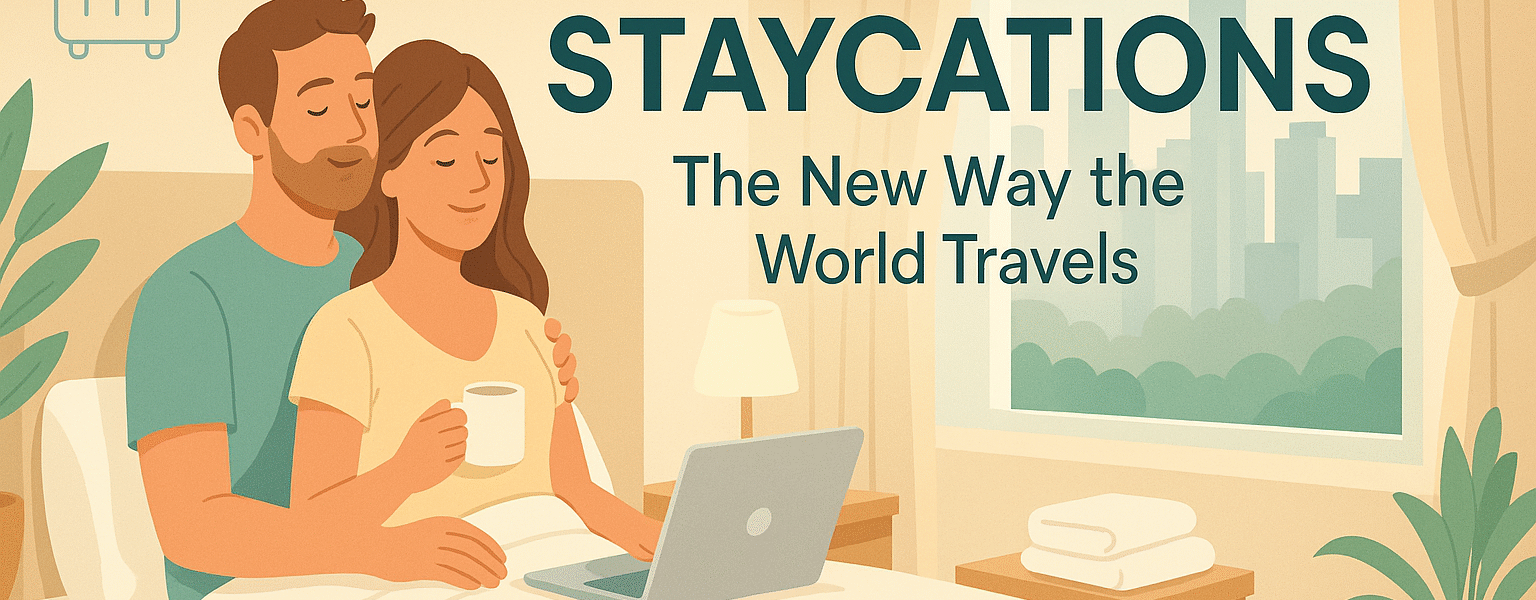
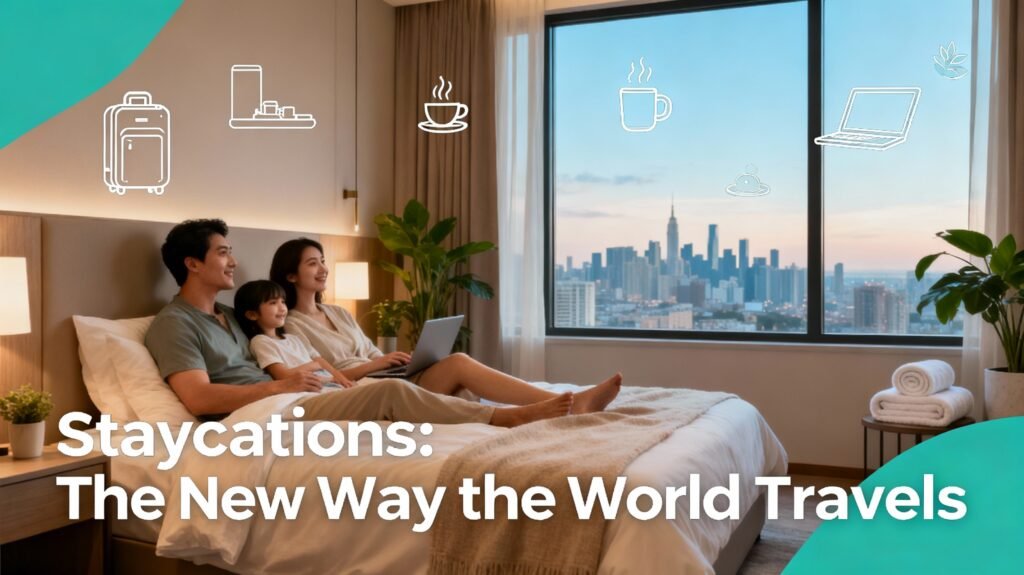
The Rise of Staycations: The New Way the World Travels
As global travel preferences undergo a quiet revolution, one trend has emerged as the defining behaviour of the post-pandemic era: the staycation. Once considered a second-best alternative to “real” vacations, staycations—holidays taken at home or within a short distance, sometimes as close as 2–3 kilometres from one’s residence—have now transformed into a mainstream global travel phenomenon.
From Europe to India and the United States to Southeast Asia, urban families, young professionals, and even luxury travellers are embracing the comfort, convenience and low-stress charm of local getaways.
What Exactly Is a Staycation?
A staycation (stay + vacation) is a short, easy holiday taken close to home—either by staying in one’s own home and indulging in leisure activities, or by spending 1–3 nights at a nearby hotel, resort, villa, homestay, or serviced apartment.
Unlike traditional vacations that require long flights, visas, itineraries, and complex planning, staycations minimise travel and maximise rest. The goal is simple: relaxation without logistical pressure.
Travel scholar describes staycations as “micro-escapes that offer the psychological benefits of travel without the physical and financial burdens.”
A Trend Born Before Covid, Transformed After It
Staycations existed before the pandemic, especially during the 2008 global recession, when people cut back on expensive foreign trips. But COVID-19 turned them into a worldwide habit.
According to Airbnb’s 2021 Travel Report, more than 40% of all bookings globally were within 300 kilometres of the traveller’s home—reflecting a massive shift toward local travel driven by safety, convenience, and restrictions on long-haul mobility.
A 2022 Agoda survey found that 68% of Indians expected to travel domestically, compared to 39% internationally, once restrictions eased—showing a clear tilt towards local trips.
The trend has only grown stronger since.
The Booming Staycation Economy: What the Numbers Reveal
Recent data shows that staycations are no longer a temporary behaviour—they represent a structural shift in the global tourism market.
▪ United States
According to the U.S. Travel Association’s 2023 data, domestic leisure travel has largely recovered after the pandemic drop — pushing domestic person-trips up by nearly 28% in just one year. This rebound underscores how domestic and nearby vacations are again becoming the backbone of American travel.
▪ Europe
An ETC (European Travel Commission) 2022 report highlights that domestic trips are particularly popular among Europeans planning nature, wellness and relaxation holidays—exactly the segments where staycations and short breaks fit.
▪ Middle East & Asia
STR Global — the hospitality-industry data provider — notes strong recovery and growth in hotel occupancy across major cities in the Middle East and Asia-Pacific, including occasional spikes outside traditional tourist seasons. In some markets (like Singapore), industry insiders report that a portion of this demand comes from local staycations and domestic travellers.
▪ India
India has emerged as one of the fastest-growing staycation markets.
- “OYO’s Travelopedia 2023 highlights strong domestic demand, with smaller towns and metros seeing a resurgence in bookings across leisure destinations.
- Cities like Delhi–NCR, Mumbai, Bengaluru, Kolkata and Pune recorded the highest staycation demand, particularly among young professionals and working couples.
- A 2025 Booking.com trends update for India shows 58% of travellers opting for short domestic trips, ahead of short international trips (36%), underlining the ongoing appeal of nearby breaks.
Why the World Is Choosing Staycations
1. Cost Savings
Rising airfare, hotel prices, and visa fees have made long-distance travel expensive.
2. Convenience and Time Efficiency
No jet lag.
No long queues.
No airports.
No itinerary stress.
As a travel psychologist says,
“The mental load of travel planning is often higher than the holiday itself. Staycations eliminate that.”
3. Comfort and Familiarity
Many people now prefer a relaxing hotel 3 km away rather than an exhausting 14-hour flight to another continent. Travellers report that they feel just as refreshed with short breaks when the goal is rest, not exploration.
4. Health & Hygiene Concerns
Even after the pandemic, travellers remain cautious.
The 2024 edition of Expedia highlights several macro-trends: travellers increasingly looking for less-crowded, lesser-known destinations (“destination dupes”), more “outside-in” (nature / outdoor) vacations, flexible booking behaviour, and a general shift away from mass tourism
5. Environmental Awareness
Short-distance travel significantly reduces carbon emissions.
Many organisations emphasised that promoting domestic and local tourism is one of the easiest ways to support sustainable travel goals.
6. Rise of Work-from-Anywhere
Remote work and flexible schedules have created new categories, such as:
- Workcations (working from a resort)
- Bleisure trips (business + leisure)
- Mini-breaks during the week
Hotels in Singapore, Mumbai, New York, and Dubai now offer “Work-Relax-Recharge” packages specifically targeting remote professionals.
How Hotels and Travel Brands Are Capitalising
Staycations have reshaped hospitality marketing worldwide.
▪ Hotels Introduce Local Packages
Major chains like Marriott, Hilton, Accor, Taj and ITC now offer:
- City weekend packages
- Pool-and-spa day passes
- Brunch + stay deals
- Romance or anniversary staycation bundles
▪ Resorts Create ‘Nearby Escape’ Campaigns
In Thailand, Japan, the UAE and India, resorts report that locals account for up to 50% of weekend bookings during non-holiday months.
▪ Homestays & Villas Surge
Platforms like Airbnb, SaffronStays, Vista Rooms, and Plum Guide see high demand for villas and unique stays within a 1–3 hour drive.
The Psychology Behind the Movement
Tourism researcher notes that staycations offer “psychological distance without physical distance.”
People feel they have escaped, even if they are just a few kilometres away.
A traveller from London told The Guardian in 2023:
“A staycation gives me the same happiness as a big trip—without passports, packing stress or airport chaos.”
Similarly, a Bengaluru-based couple shared in a MakeMyTrip travel blog:
“Our happiest holiday last year was 4 km from home at a boutique hotel. It felt like a reset button.”
This shift in mindset is turning staycations from a practical choice into an emotionally preferred one.
A Global Example: Urban Staycations Becoming a Lifestyle
In cities like:
- Tokyo
- London
- Singapore
- Dubai
- New York
- Mumbai
People now consciously plan:
- Two major international trips a year
- Multiple local micro-escapes every month or two
Staycations are being treated as:
- Stress-relief routines
- Relationship refreshers
- Family bonding breaks
- Wellness holidays
What the Staycation Boom Means for the Future of Tourism
The rise of staycations is reshaping global travel in profound ways:
1. Rewriting Tourism Business Models
Hotels now allocate dedicated budgets to local travellers, not only foreign tourists.
2. Boosting Local Economies
Dining, local transportation, small tourism hubs, spas and boutique experiences benefit directly.
3. Changing the Definition of ‘Getting Away’
“Holiday” no longer means distance; it means state of mind.
4. Supporting Sustainability
Less flying = lower emissions, helping countries achieve climate goals.
UNWTO predicts domestic/local tourism will remain one of the most sustainable long-term models.
5. Prioritising Mental Well-being
Short, frequent breaks improve:
- Stress levels
- Work–life balance
- Family time
- Emotional health
Mental wellness is becoming a core driver of travel choices—just as important as sightseeing or adventure.
Conclusion: The Future Is Local
Staycations are more than a pandemic-era improvisation—they represent a cultural shift.
In a world overwhelmed by uncertainty, rising costs, tighter schedules, and climate concerns, people are seeking meaningful rest rather than complicated travel.
The staycation boom shows that the future of tourism may not always be about flying farther—it may be about feeling better.
A peaceful weekend two kilometres from home can offer all the joy, calm, and connection that travellers are seeking—minus the stress and the carbon footprint.
The world isn’t travelling less.
It’s simply travelling smarter.
global travel trends 2025, domestic tourism growth, local getaways near me, weekend breaks 2025, staycation market report, India staycation trend, sustainable travel trends, micro vacations 2025, post-pandemic travel behaviour, workcation and bleisure travel
- Why Nobody Is Posting on Social Media Anymore: The Real Reasons Behind the Silent Feed Crisis
- Imran Khan Health Mystery Deepens as Pakistan Faces ‘Banana Republic’ Allegations
- TED Talk Competition 2025 at Saraswati World School: Chairman’s Award for Best Innovation Celebrates Young Innovators
Discover more from
Subscribe to get the latest posts sent to your email.








1 COMMENTS